
Bjorgvin Gudmundsson works with the team at inecta, which builds food ERP software on Microsoft Dynamics 365 Business Central for food and beverage companies.
78 articles

Introduction to cycle count in inventory management Inventory management is a crucial aspect of any business, regardless of its size or industry. With the ever-changing demands of the market and the need for businesses to stay competitive, maintaining accurate and up-to-date inventory value is essential. One effective method for achieving this is through the implementation of inventory cycle count in your inventory control software.
Definition of outsourced food manufacturing Food contract manufacturing refers to the process of contracting a third-party company to produce food and beverage products on behalf of the contracting business. This can include various tasks such as product development, formulation, ingredient sourcing, food processing, packaging, and labeling. Growing demand for outsourced food production The demand for outsourced food and beverage production has grown significantly in recent years as businesses l
A plain-English guide to all 11 Incoterms 2020 rules: who arranges transport, who carries the risk, and who clears customs. Includes a comparison chart and guidance for food shipments. Updated for 2026.
What is a Corrective Action Plan? Corrective action is a crucial component of any food safety management system, including Hazard Analysis and Critical Control Points (HACCP). A Corrective Action Plan (CAP) is a written document that outlines the steps that a food business will take to address any deviations or non-conformities identified during the implementation of their HACCP plan.

Food safety is a critical issue that affects everyone. Ensuring the safety and quality of food products is vital for protecting consumers' health, preventing foodborne illnesses, and maintaining trust in the food supply chain. One essential aspect of food safety is traceability, which refers to the ability to track and trace food products throughout the entire supply chain, from farm to table. Traceability systems enable the identification and recall of unsafe or contaminated products, making it
![HACCP Plan: 7-Step Guide for Food Manufacturers [2026]](/_next/image?url=https%3A%2F%2Fzqvyaxexfbgyvebfnudz.supabase.co%2Fstorage%2Fv1%2Fobject%2Fpublic%2Fblog-images%2Feecf8a94-haccp-plan-what-is-it-how-to-write-one-guide-.jpg&w=3840&q=75)
A HACCP plan identifies food safety hazards at each step of production and establishes controls to prevent them. This 7-step guide covers every HACCP principle with vertical-specific critical limit examples for meat, dairy, seafood, and beverage manufacturers.

Current statistics indicate that only half of the global consumer population truly “understands” how to read a food label, with the other half claiming difficulty due to lack of underlying knowledge or confusing terminology used.
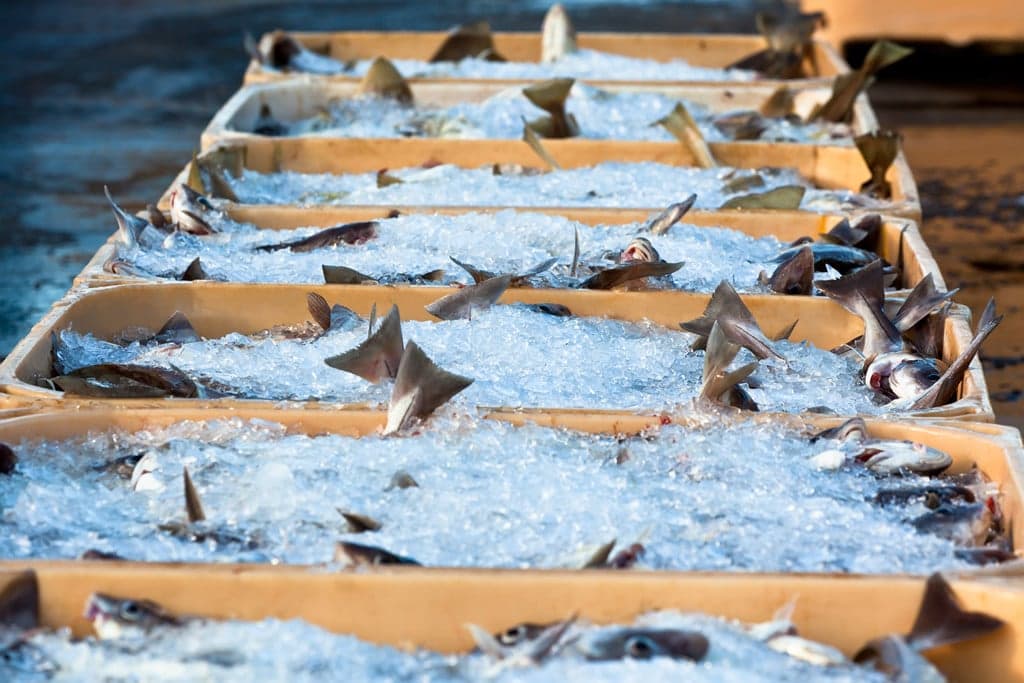
Understanding the differences between fixed weight labeling vs. catch weight labeling allows you to more accurately record the exact weight (or "actual weight") of products coming in and going out, offering you an effective data-driven foundation for any changes you might choose to enact. While both measurements have value, the terms yield different data points in context, both of which are equally important to calculating your accurate statement of profit, certain costs, and more.

Looking for a simple way to take your food and beverage business to the next level? You may consider investing in recipe management technology to help you grow and scale effectively. While it can take time and resources to fully implement, we consider this to be a worthwhile investment in your business. Ultimately, customers want to purchase what they can trust, and standardizing your food production and manufacturing process is a tremendous step forward to doing just that.
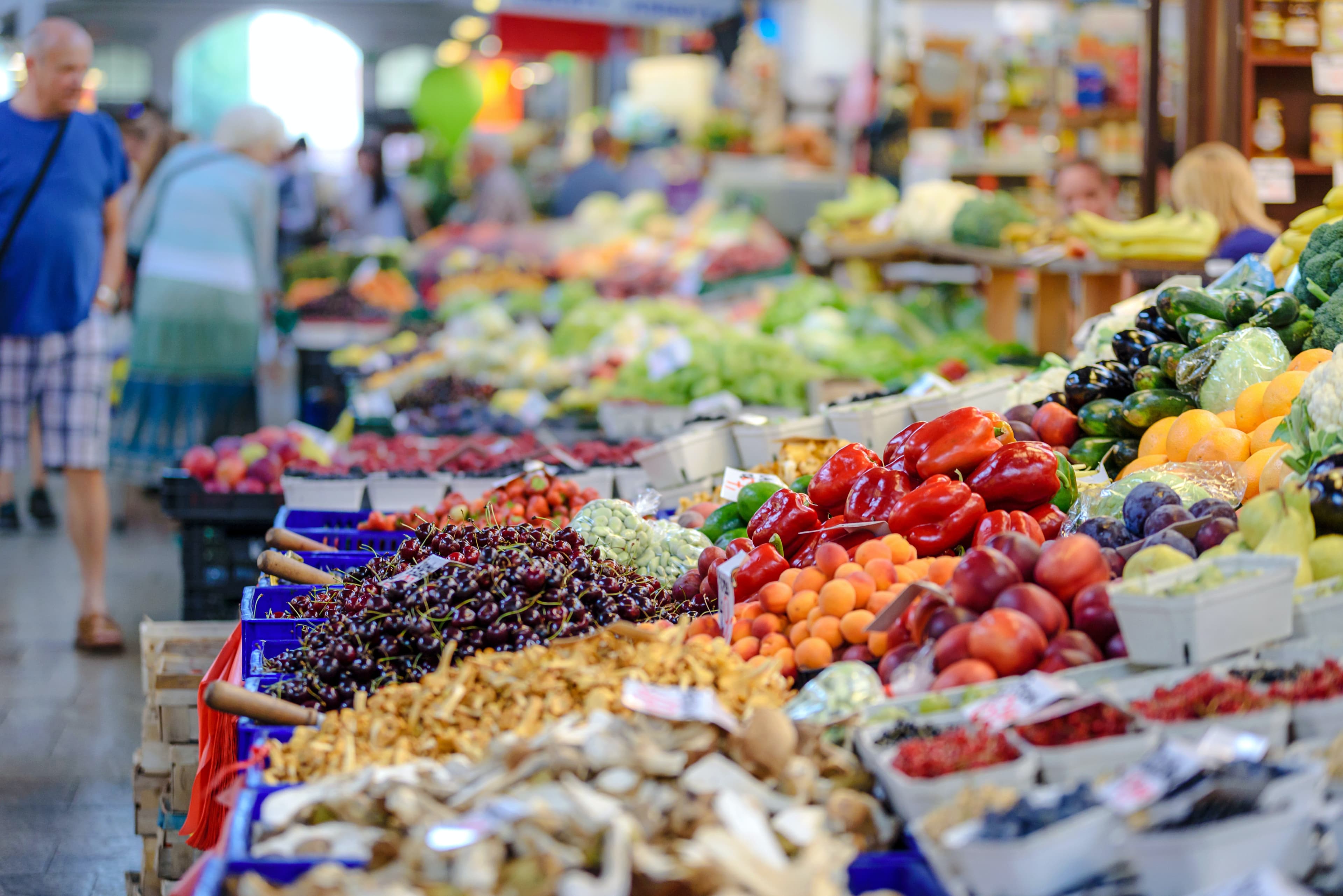
Growers: Are you looking for a tool that offers the potential to boost your revenue, streamline your process and enhance your efficiency? It may be time to abandon the fractional and manual systems of the past and embrace a more comprehensive approach through the use of produce software.
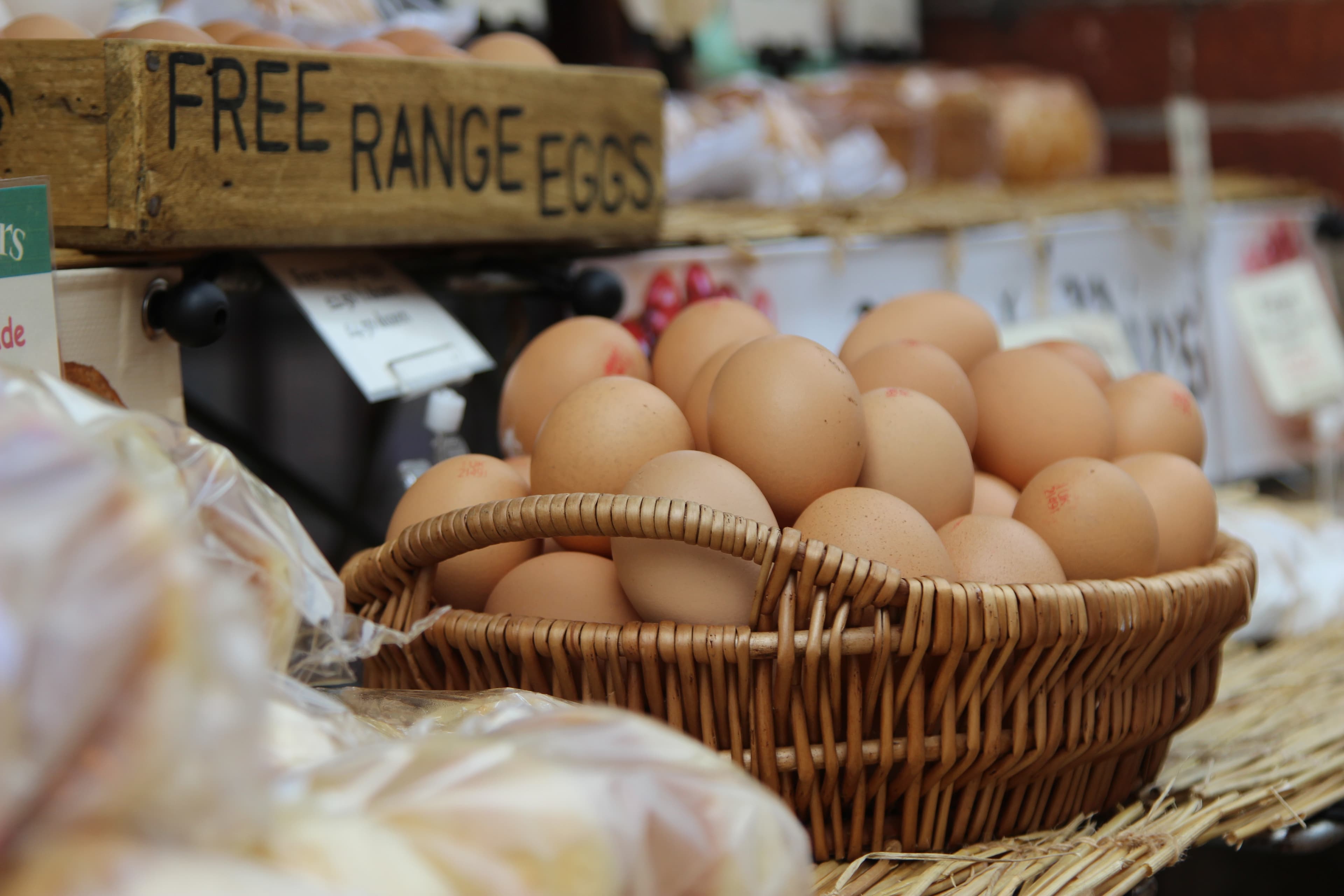
EGG SHORTAGE UPDATE: Unfortunately, we’ve kicked off the year 2023 with some major food shortages and supply chain issues. As the country has continued to battle against supply chain instability from the start of COVID-19, many are still experiencing strain thanks to a complex, multi-step and non-localized supply chain.

As the new year approaches, you may be looking for opportunities to streamline your operations and get strategic about your methodology for your food and beverage industry business. Investing in a quality ERP for food and beverage industry brands is vital to the sustainable growth and profitability of your business, leaving you with additional perks: such as enhanced organizational capabilities, better recession resistance and greater accessibility and transparency.