
Bjorgvin Gudmundsson works with the team at inecta, which builds food ERP software on Microsoft Dynamics 365 Business Central for food and beverage companies.
78 articles
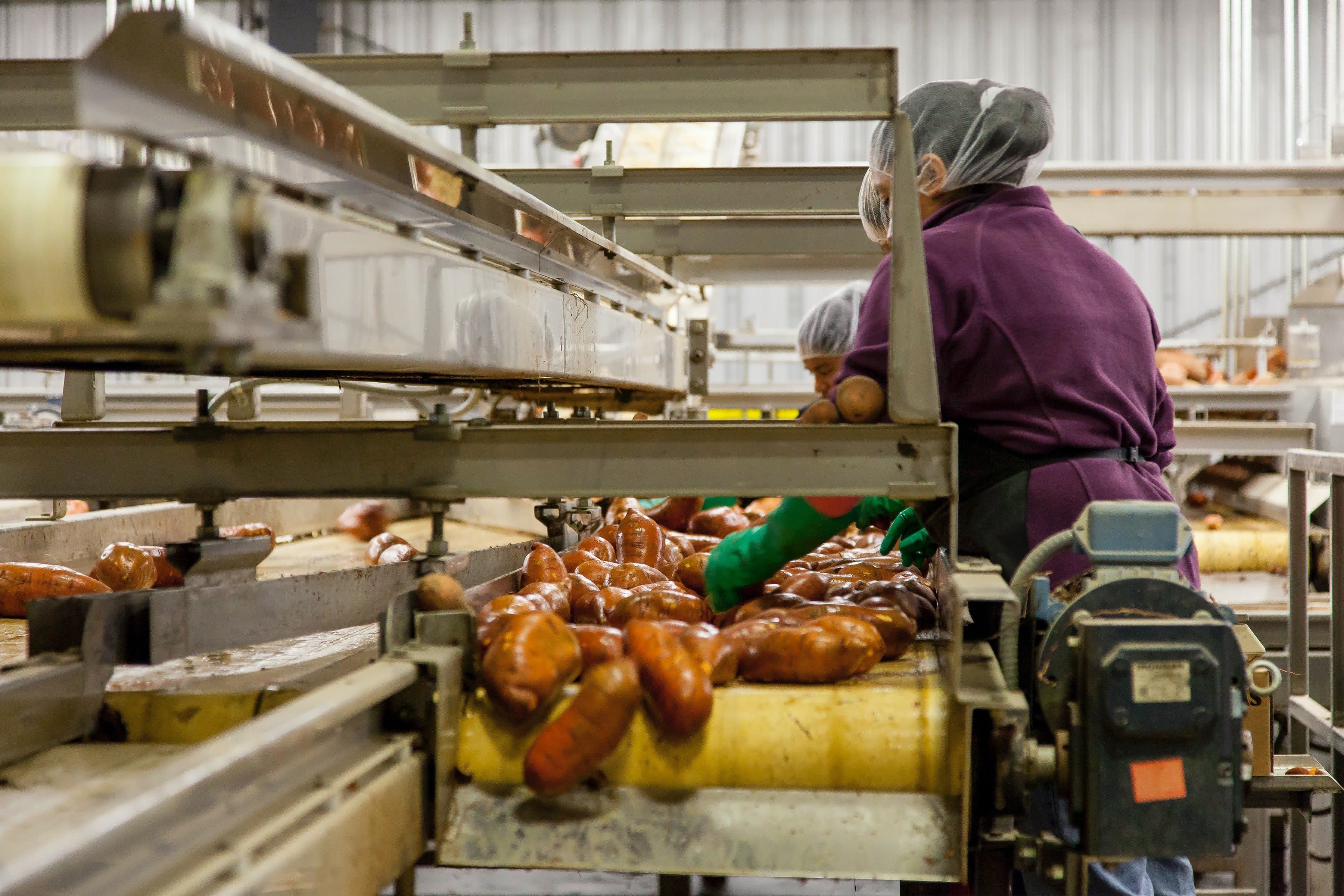
About 15,000 new food items are introduced every year to the global food stage – yet only 10% of them survive to make it past the first-year mark. (Source: Kansas State University.)

With so many options for food management software, it’s no surprise that your production and manufacturing operation is going through a thorough review process to determine which option is best for you. While there are several different iterations of ERP software that include different operational elements, there are two main presentations: on-premise ERP and cloud-based solutions. Today, we’ll be exploring what each of these tools can offer, and the key benefits and differences of each.

A cloud ERP solution is one of the best management tools you can use for your food and beverage business. The question is: How can you most effectively leverage the tool through the implementation process? Today, we’re digging into this concept, and showing you how you can maximize your investment in cloud ERP for food businesses through a streamlined onboarding process – saving you time and money as you go through the steps to full implementation.

You’re ready to scale your food and beverage business – and there’s no better way to do that than to use a food ERP. In order to be as effective as possible, we recommend exploring the different types of ERP before making your final choice of platform.

ESG is one of the most prominent drivers of sales across industries. Whether you’re an established food and beverage business or a budding start-up brand, you can benefit from creating and adopting an ESG strategy now – even if it’s a wireframe.

Title: Mitigating Risks: Preparing for Holiday Supply Chain Instability (2022)
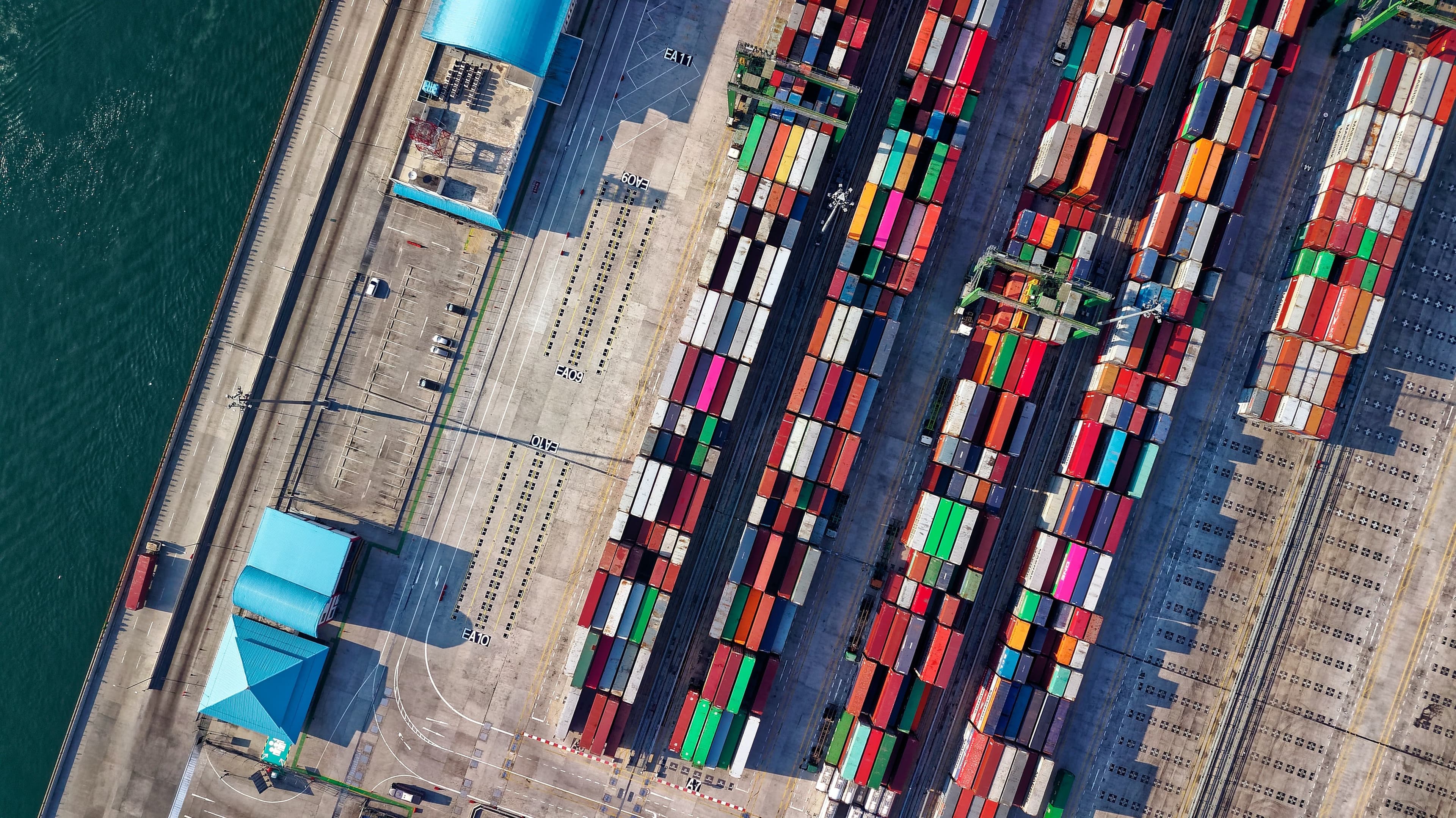
The most magical time of the year is here – and food manufacturers are feeling the additional pressure to keep up with the demand for traditional holiday foods – like turkey, ham, and seafood. Throw COVID-19 into the mix, and you have a recipe for a difficult holiday season for food manufacturers who aren’t prepared.

The holiday season is here, and your consumer base is on the hunt for the next big treat for their upcoming festivities, hastening the holiday rush. The final quarter of the year is the time to ramp up sales and production, iterate on your strategy, and establish your cadence for a fresh start – all of which you can do more efficiently with knowledge of the top holiday food and beverage trends.
![Manufacturing Management Software: A Buyer's Guide for Food Companies [2026]](/_next/image?url=https%3A%2F%2Fzqvyaxexfbgyvebfnudz.supabase.co%2Fstorage%2Fv1%2Fobject%2Fpublic%2Fblog-images%2Faf44ac32-pexels-sora-shimazaki-5673502.jpg&w=3840&q=75)
Manufacturing management software helps food companies plan, execute, and track production. This guide compares ERP, MES, and MRP systems, explains what food manufacturers specifically need, and outlines how to evaluate options.
![Supply Chain Optimization: A Complete Guide for Food Manufacturers [2026]](/_next/image?url=https%3A%2F%2Fzqvyaxexfbgyvebfnudz.supabase.co%2Fstorage%2Fv1%2Fobject%2Fpublic%2Fblog-images%2F54cb6adf-pexels-elevate-1267338.jpg&w=3840&q=75)
Supply chain optimization helps food manufacturers reduce costs, prevent stockouts, and build resilience across procurement, production, and distribution. This guide covers the key pillars, metrics, and technology that make it work.
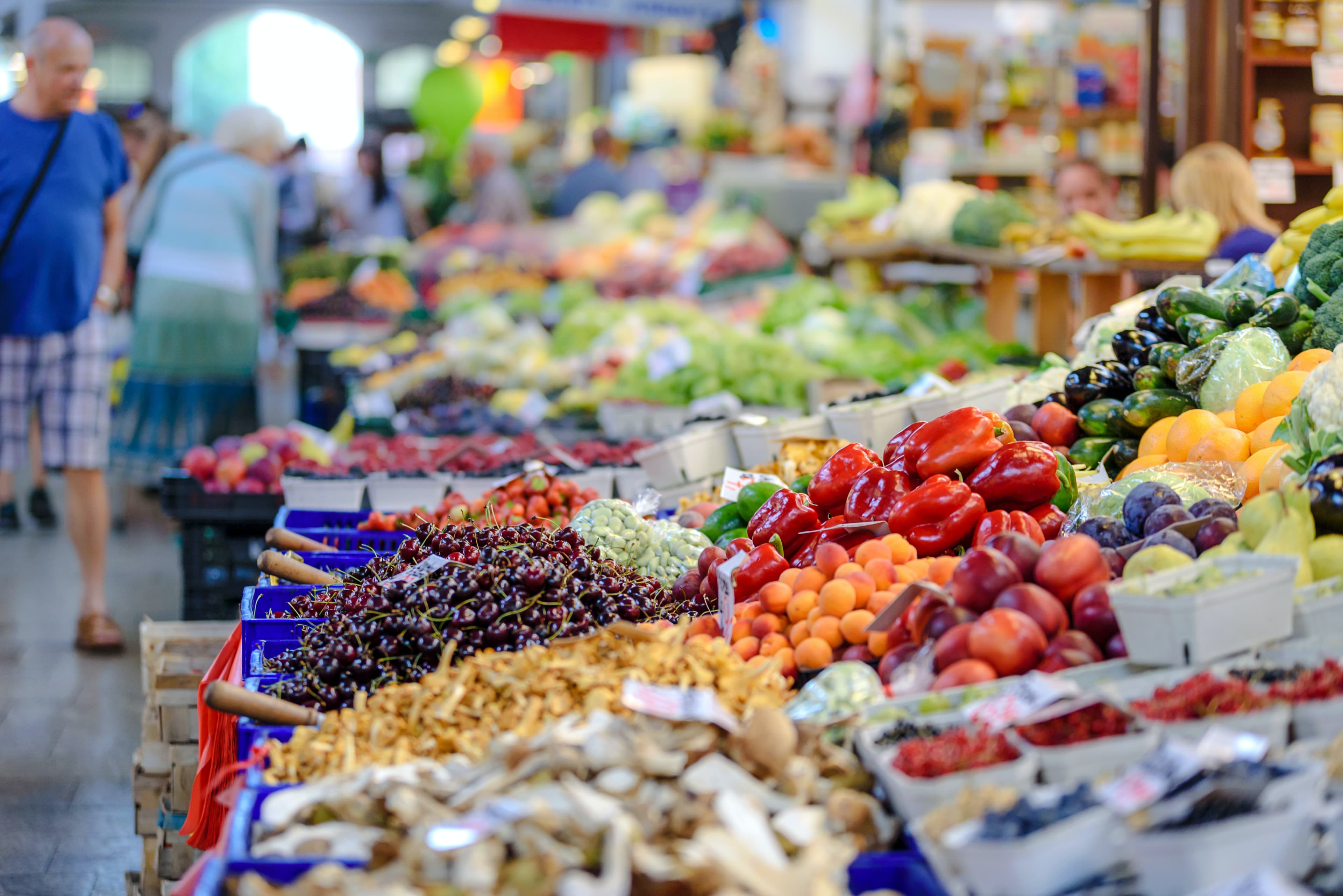
Produce software companies offer you near-endless options for managing your produce manufacturing business. However, not every solution is created equal. Your produce software business benefits most from a centralized, strategically crafted solution that is designed to meet the needs of both the producer and consumer, giving you a seamless experience for strategic management and growth.

In today’s consumer-driven environment, businesses are sparing no expense to protect their brand’s identity, experience, and perception. However, good-natured missteps and inaccuracies could be undermining the very foundation of these efforts – the most recent common example of this being food fraud.