
Insights and guides for food industry professionals, from ERP implementation to supply chain optimization.

In recent years, the food distribution industry has undergone significant transformations due to the adoption of Enterprise Resource Planning (ERP) systems. These integrated software solutions have revolutionized the way food distribution companies operate by streamlining processes, enhancing visibility, optimizing inventory management, and improving overall efficiency. This paper examines the impact of ERP systems on food distribution efficiency, considering the key benefits they bring to the s
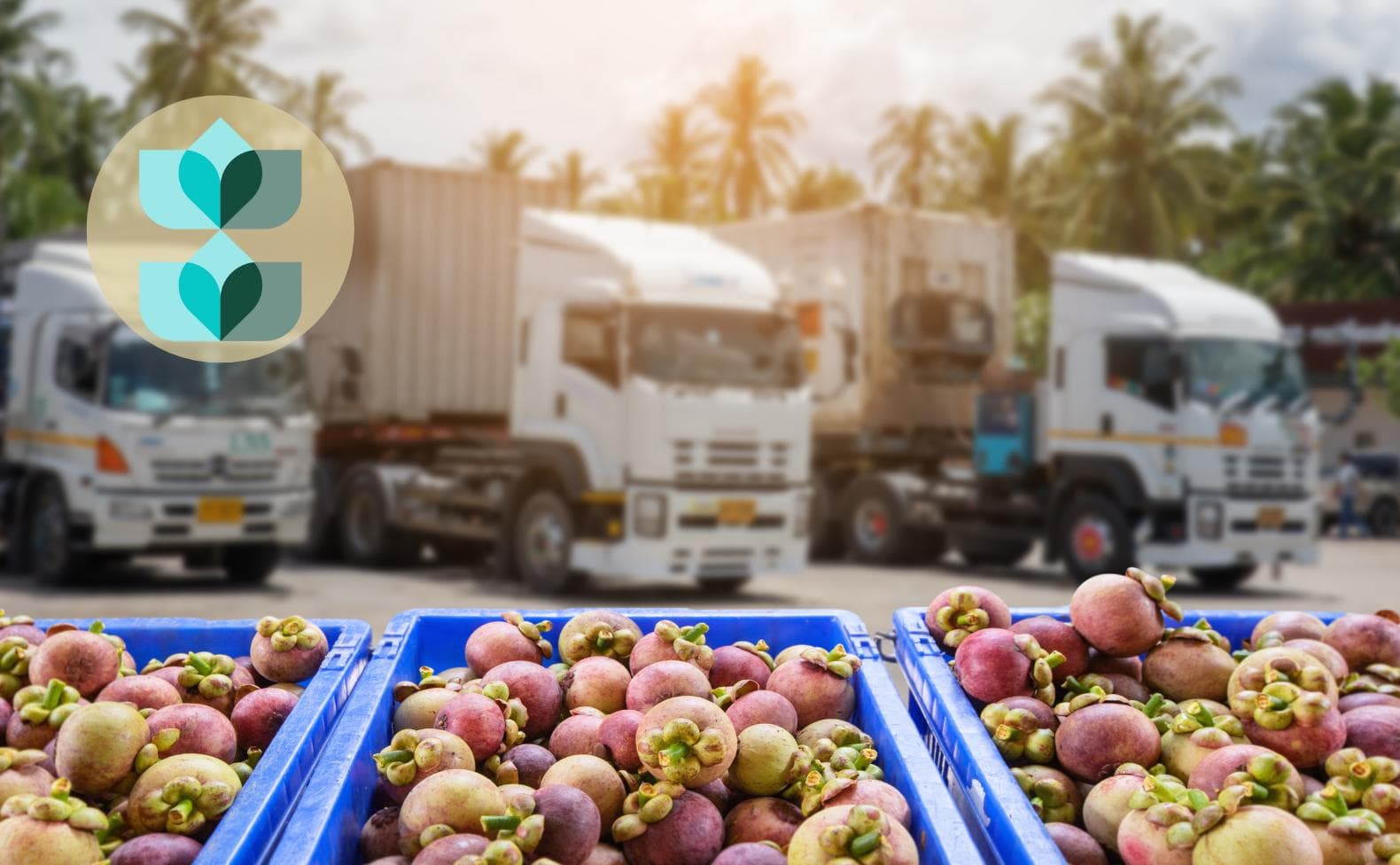
The food distribution industry is a complex and fast-paced environment. As a food distribution company, your primary goal is to ensure that the right products reach the right customers at the right time. With the increasing demands of consumers, the need for efficient operations, accurate inventory management, and streamlined processes has become more crucial than ever. This is where a next-generation Enterprise Resource Planning (ERP) system comes into play. In this article, we will explore the
![Top 5 Largest Food Distributors in the US [2025 Rankings]](/_next/image?url=https%3A%2F%2Fzqvyaxexfbgyvebfnudz.supabase.co%2Fstorage%2Fv1%2Fobject%2Fpublic%2Fblog-images%2Fe68e7b6b-copy%2520of%2520copy%2520of%2520copy%2520of%2520copy%2520of%2520copy%2520of%2520copy%2520of%2520copy%2520of%2520copy%2520of%2520process%2520manufacturing%2520erp%2520%252814%2529.jpg&w=3840&q=75)
Sysco, Performance Food Group, US Foods, Gordon Food Service, and Ben E. Keith rank as the five largest food distributors in the US by revenue. This guide breaks down their 2025 revenue figures, distribution networks, customer bases, and key developments from the past year.

The food distribution industry is a complex and fast-paced environment. As a food distribution company, your primary goal is to ensure that the right products reach the right customers at the right time. With the increasing demands of consumers, the need for efficient operations, accurate inventory management, and streamlined processes has become more crucial than ever. This is where a next-generation Enterprise Resource Planning (ERP) system comes into play. In this article, we will explore the

Warehouse Management Systems (WMS) are crucial in efficiently managing inventory and warehouse operations in the food distribution industry. When integrated with Enterprise Resource Planning (ERP) systems, they enhance the overall efficiency and productivity of food distribution businesses. In this article, we will explore the significant role of WMS in enhancing ERP systems for food distribution and how they work together to streamline operations, ensure traceability, and optimize inventory man
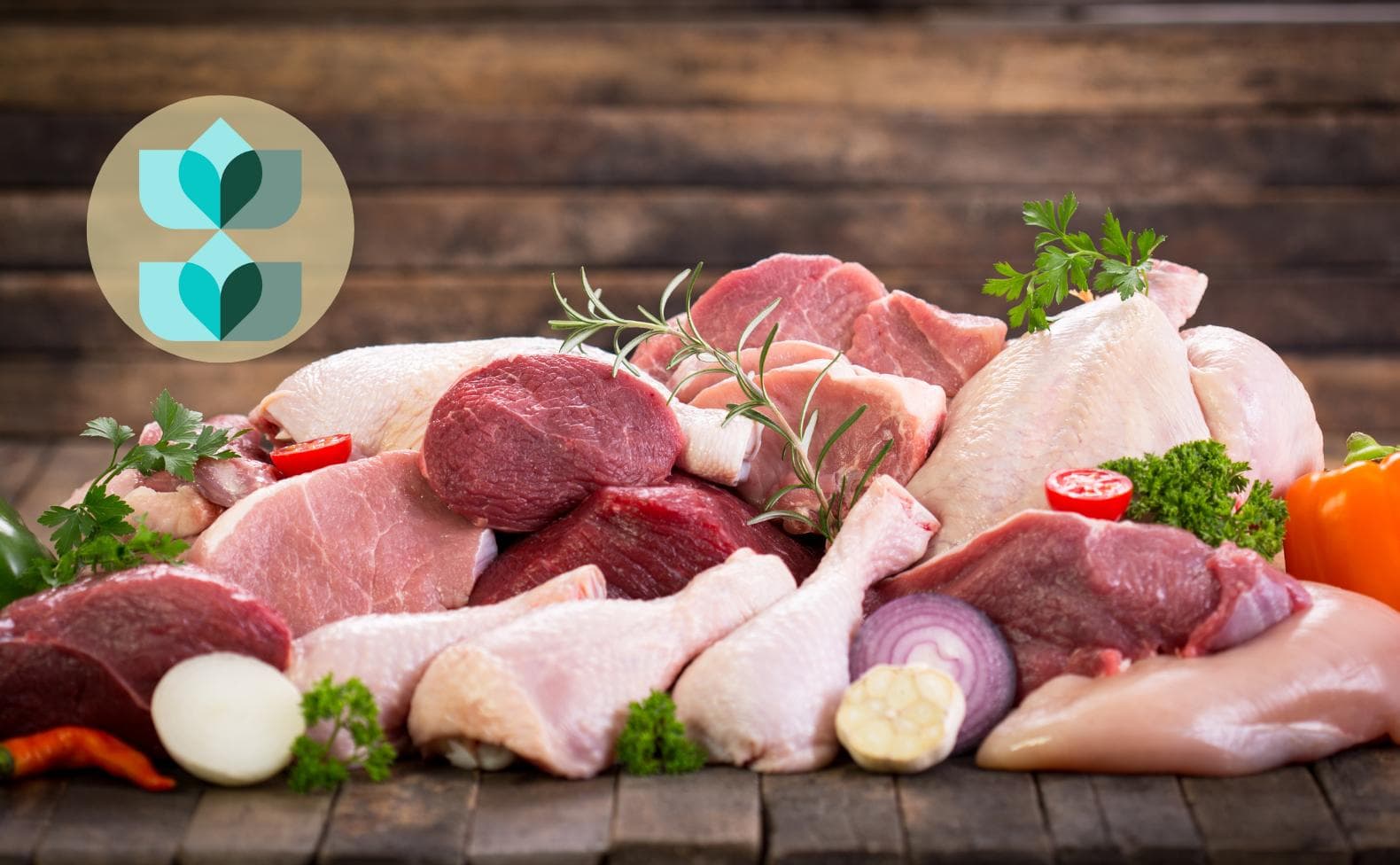
In today's digital age, data security is a top concern for businesses in every industry. The meat processing industry is no exception, as it deals with sensitive information such as customer data, financial records, and supply chain details. To effectively protect this valuable information, many meat processing companies rely on Enterprise Resource Planning (ERP) systems. In this article, we will explore how ERP systems play a crucial role in safeguarding sensitive data in the meat processing in

Enterprise Resource Planning (ERP) systems are complex software solutions that integrate many functions across a business, such as financial management, human resources, sales, and manufacturing. In meat processing companies, ERP systems can help automate compliance and food safety checks, accommodate variable weight products, and enable correct identification and labeling by cut and grade.

The meat processing industry is dynamic and constantly evolving, with changing consumer demands, supply chain disruptions, and regulatory requirements. To keep up with these challenges and achieve sustainable growth, meat processing companies need to be agile and efficient. This is where enterprise resource planning (ERP) systems come into play. In this article, we will explore how ERP systems can adapt to the growth and expansion of a meat processing company, providing scalability and flexibili
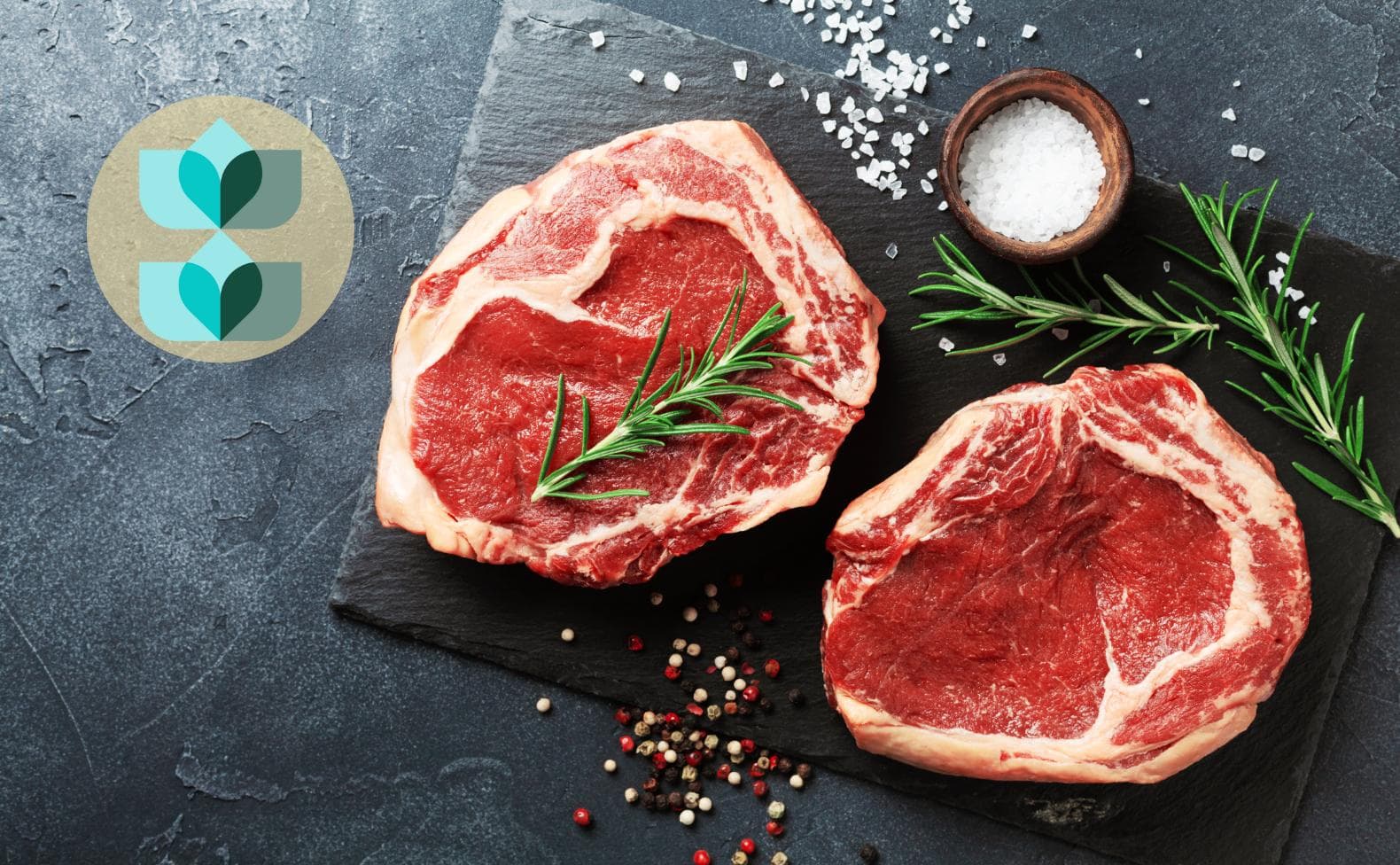
In the meat processing industry, being efficient often is equated to being successful. This is especially true for meat processing companies, which must deal with complex supply chains and the unique challenges associated with the protein industry. To streamline operations and improve efficiency, many meat processing companies are turning to Enterprise Resource Planning (ERP) systems. In this article, we will explore the industry-specific features that an ERP system offers meat processing compan
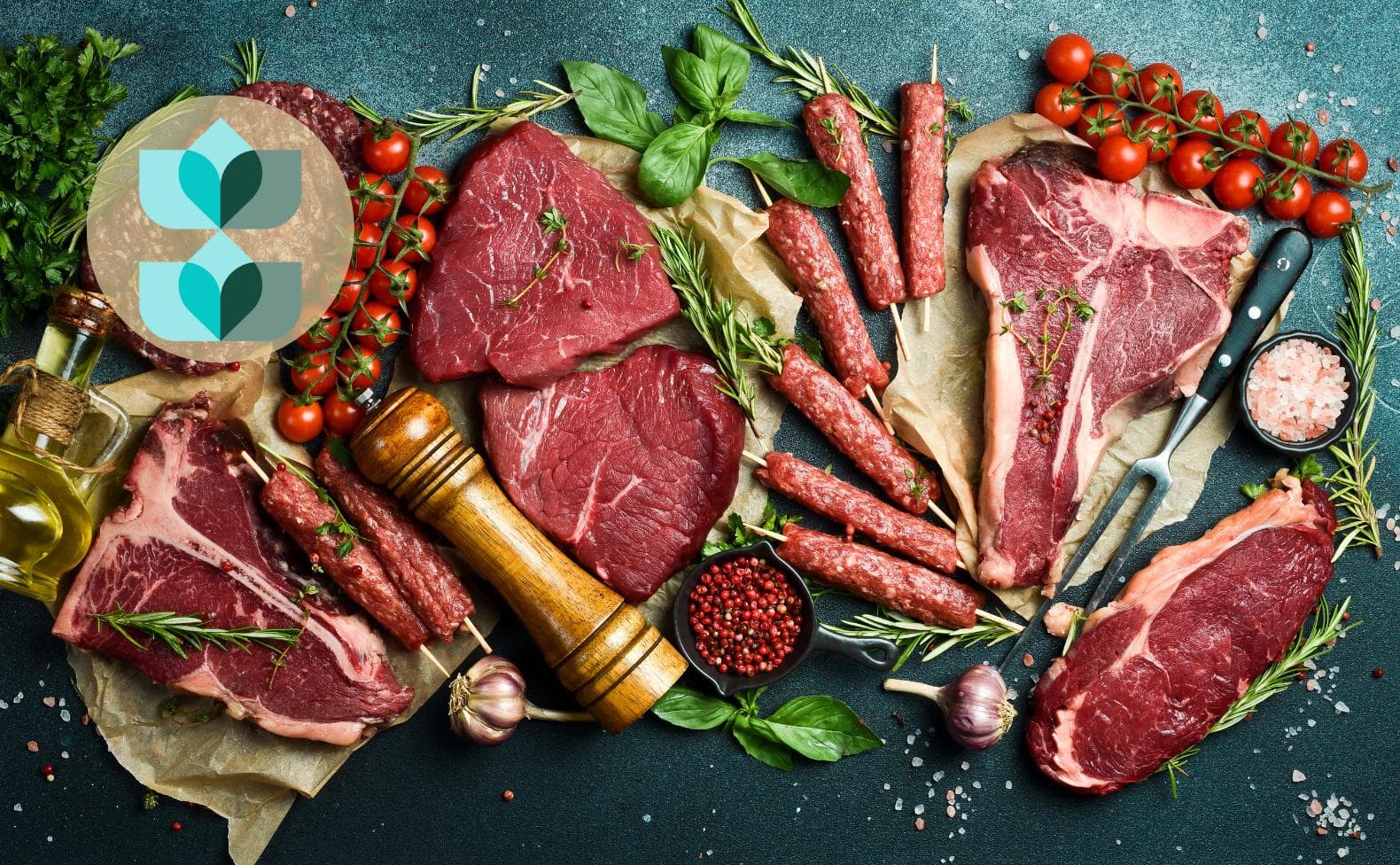
With the increasing demands for quality, safety, and compliance, meat processors are constantly seeking ways to streamline their operations. One effective solution that has gained significant attention is the implementation of an Enterprise Resource Planning (ERP) system. An ERP system integrates various aspects of a company's business processes into a single platform, offering real-time visibility and control over key operations. In this comprehensive guide, we will explore how an ERP system ca
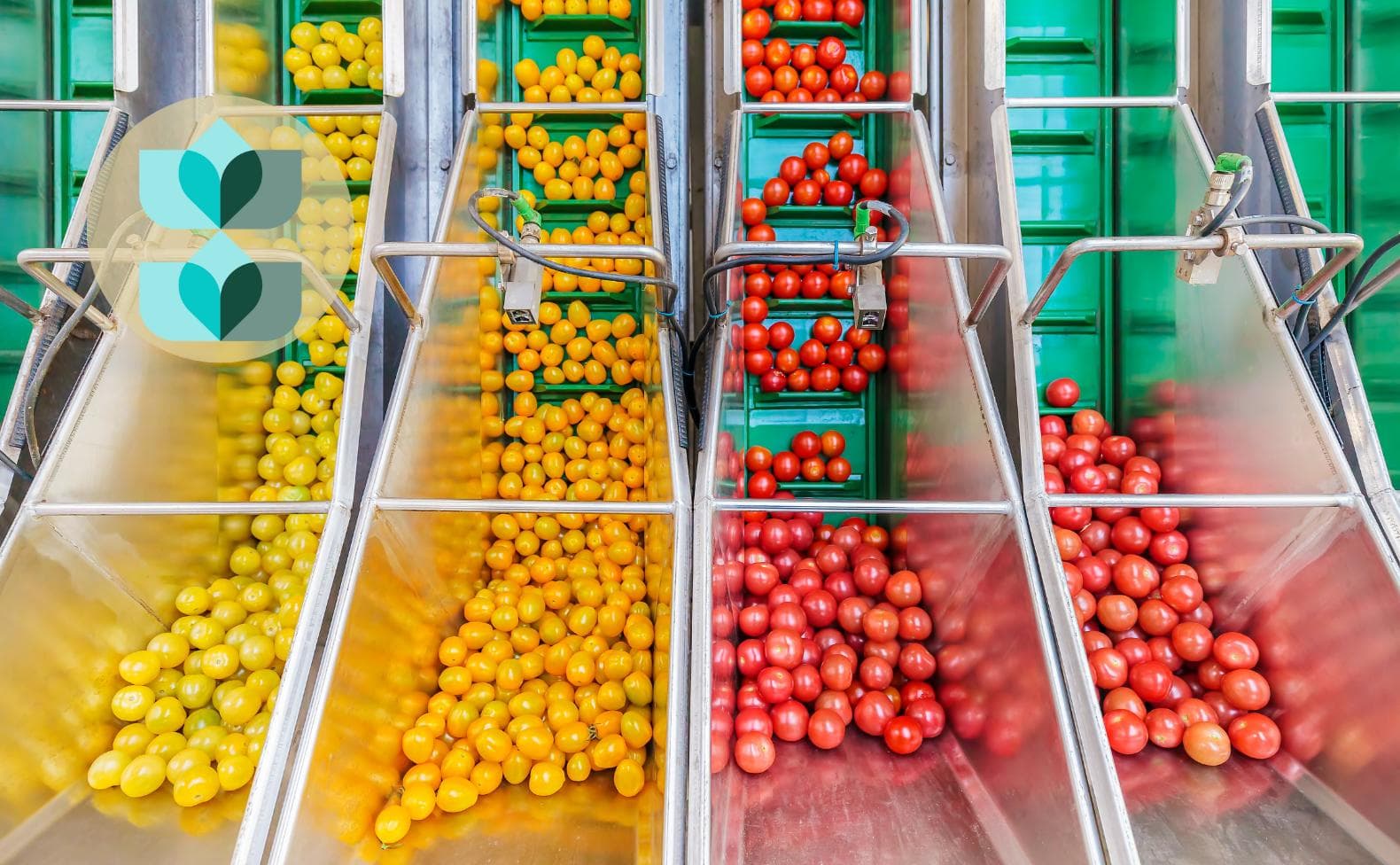
Food manufacturing is a highly competitive industry that requires companies to stay agile and efficient in order to meet evolving consumer demands. As the industry grows, scalability becomes a crucial factor for success. To address this challenge, food manufacturers are turning to innovative solutions like food manufacturing software. In this article, we will explore the concept of scalability in food manufacturing software and discuss what you need to know about it.
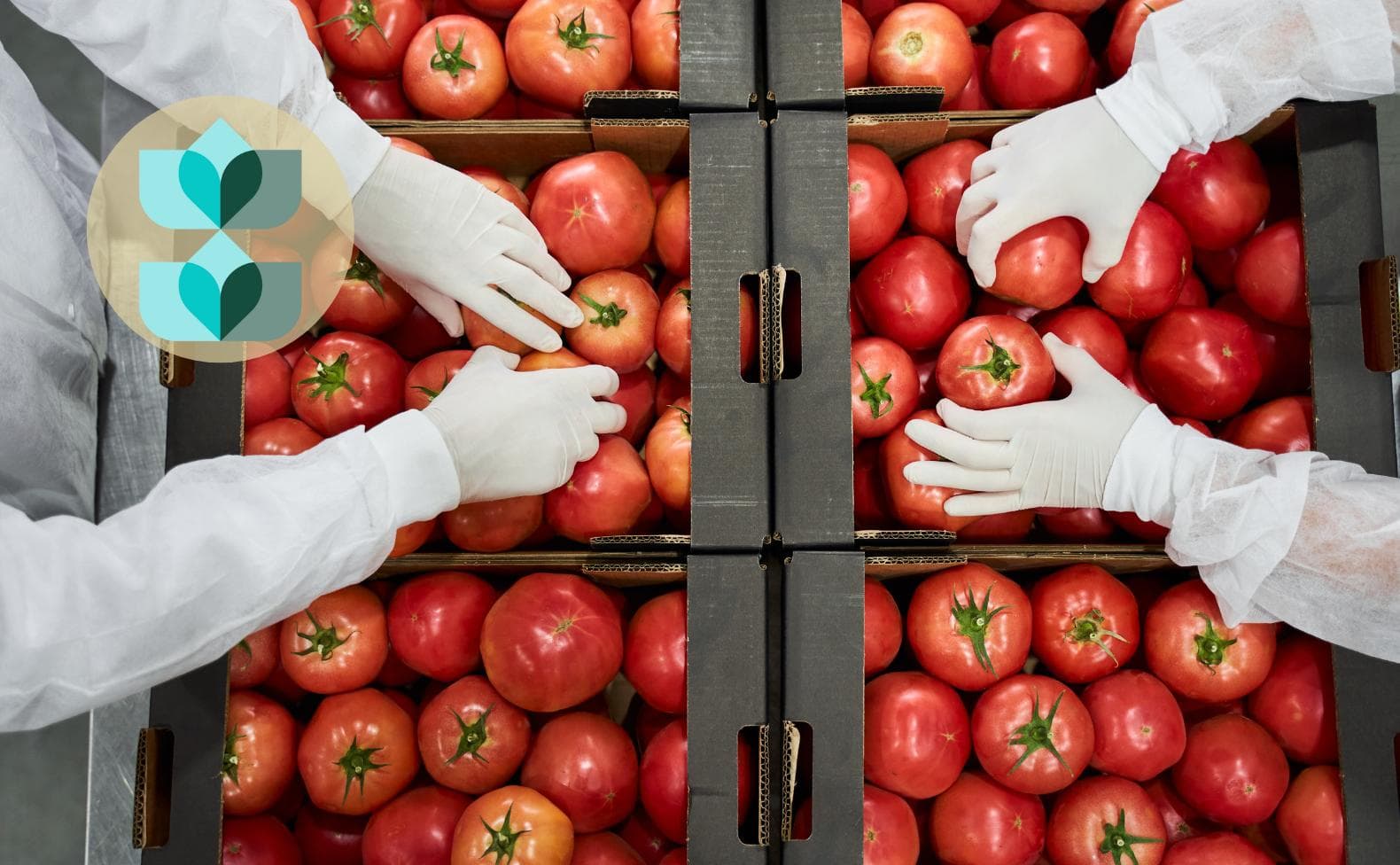
Food Manufacturing companies leverage real-time data to make hard and fast decisions on a daily basis. But what is real-time data, and how exactly does it affect food manufacturing? What systems are in place to properly utilize real-time data within the food manufacturing sector? We'll explore this in more in this brief article.