
27 articles
HACCP (Hazard Analysis Critical Control Points) is a systematic, science-based food safety system used by food manufacturers worldwide. Built on 7 core principles, from hazard analysis to verification, it identifies and controls biological, chemical, and physical hazards in food production. This guide explains what HACCP means, how its principles work, and how it connects to FSMA compliance.
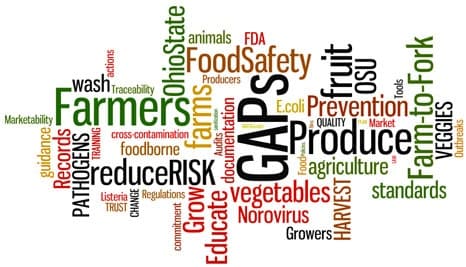
In recent years, food safety compliance and regulations have become more and more strict, and for good reason. With the introduction of the Food Safety Modernization Act, the FDA has issued several mandates in which all of those who toil in the produce industry must abide by.
The Safe Quality Food Program, or the SQF, is known as an extensive food safety program that involves legitimate retailers, owners, and food industry participants across the globe. This program is truly international, which makes it extremely important for the purposes of the importation and exportation of food goods. The SQF has already been recognized by the Global Food Safety Initiative because both movements exist to keep consumers safe by abiding by a specific code designed for all aspects