
Insights and guides for food industry professionals, from ERP implementation to supply chain optimization.
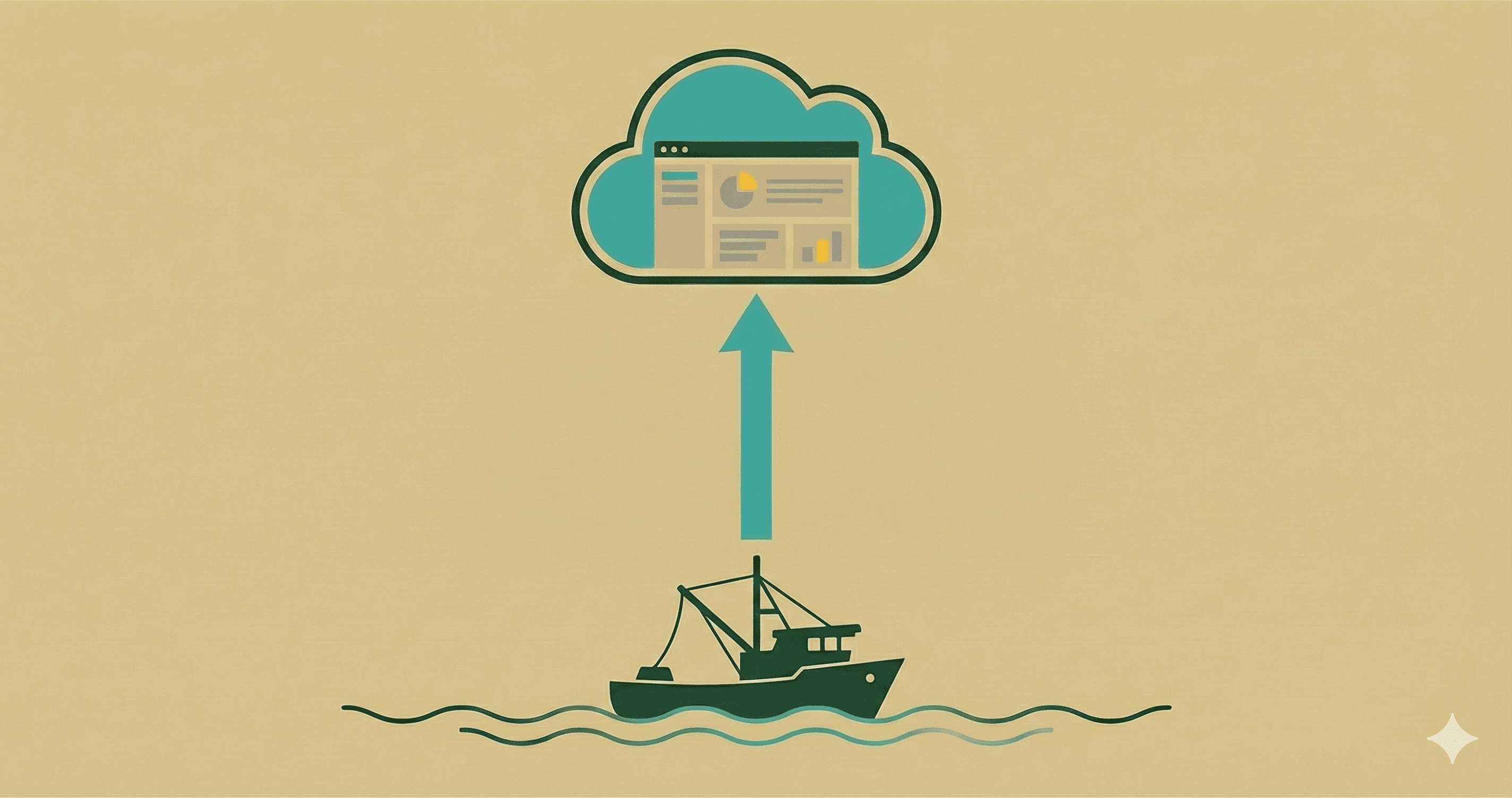
TL;DR Fishing operations generate massive amounts of trip data, fuel burn, routes taken, catch details, maintenance events, crew activity, and costs. When these data points live in separate systems, operators lose control.inecta Food ERP unifies all trip-related data into a single, connected trip record, giving fleets real-time visibility, accurate costing, safer operations, and predictable performance from departure to offload.
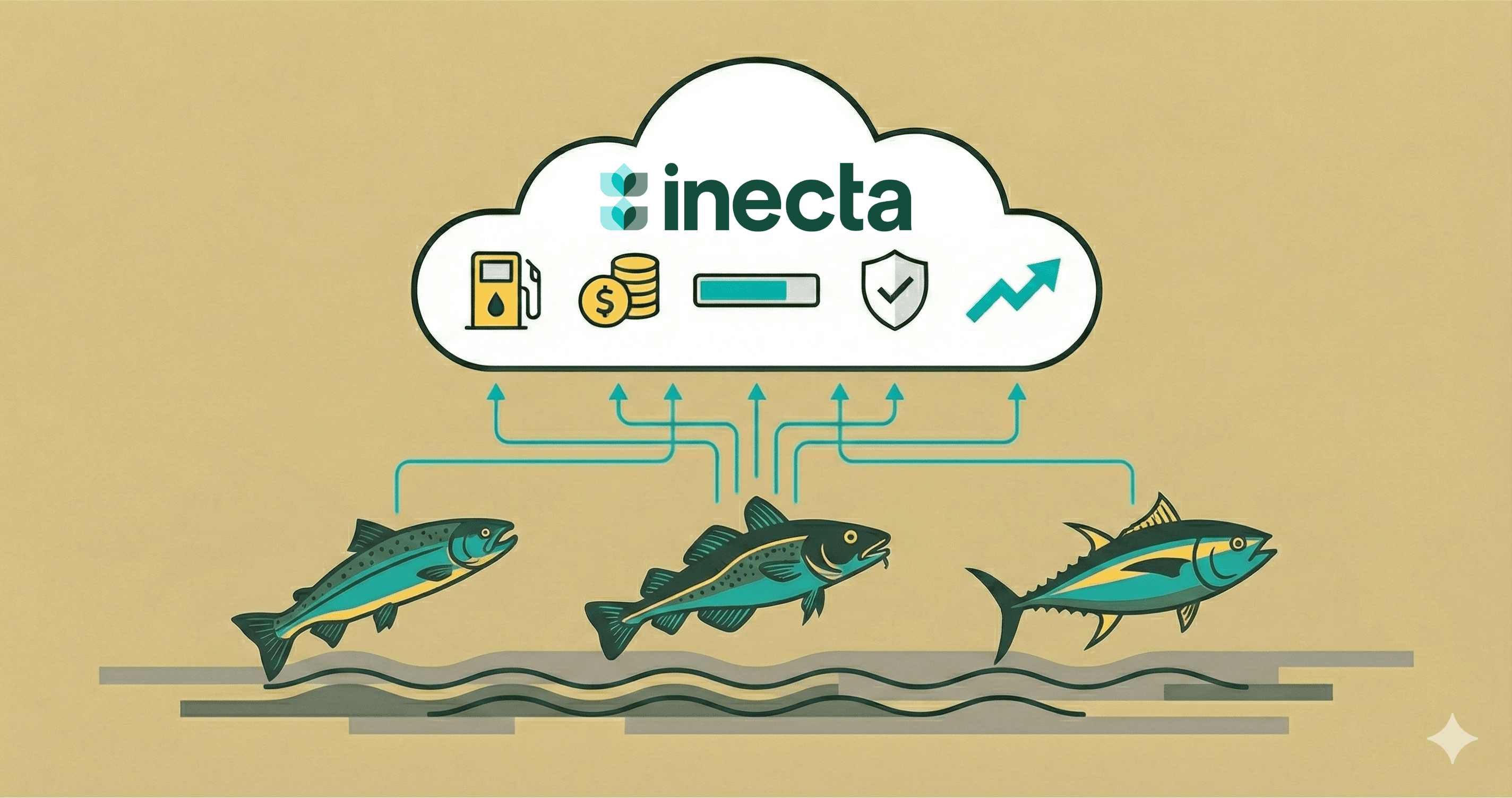
TL;DR For fishing fleets, every trip is a profit center with its own costs, risks, and outcomes. Without full visibility into trip progress, fuel burn, catch performance, quota usage, and crew activity, operators are flying blind.inecta Food ERP delivers real-time trip visibility, from departure to offload, empowering fleets to control costs, increase safety, prevent overages, and make informed operational decisions that drive profitability.
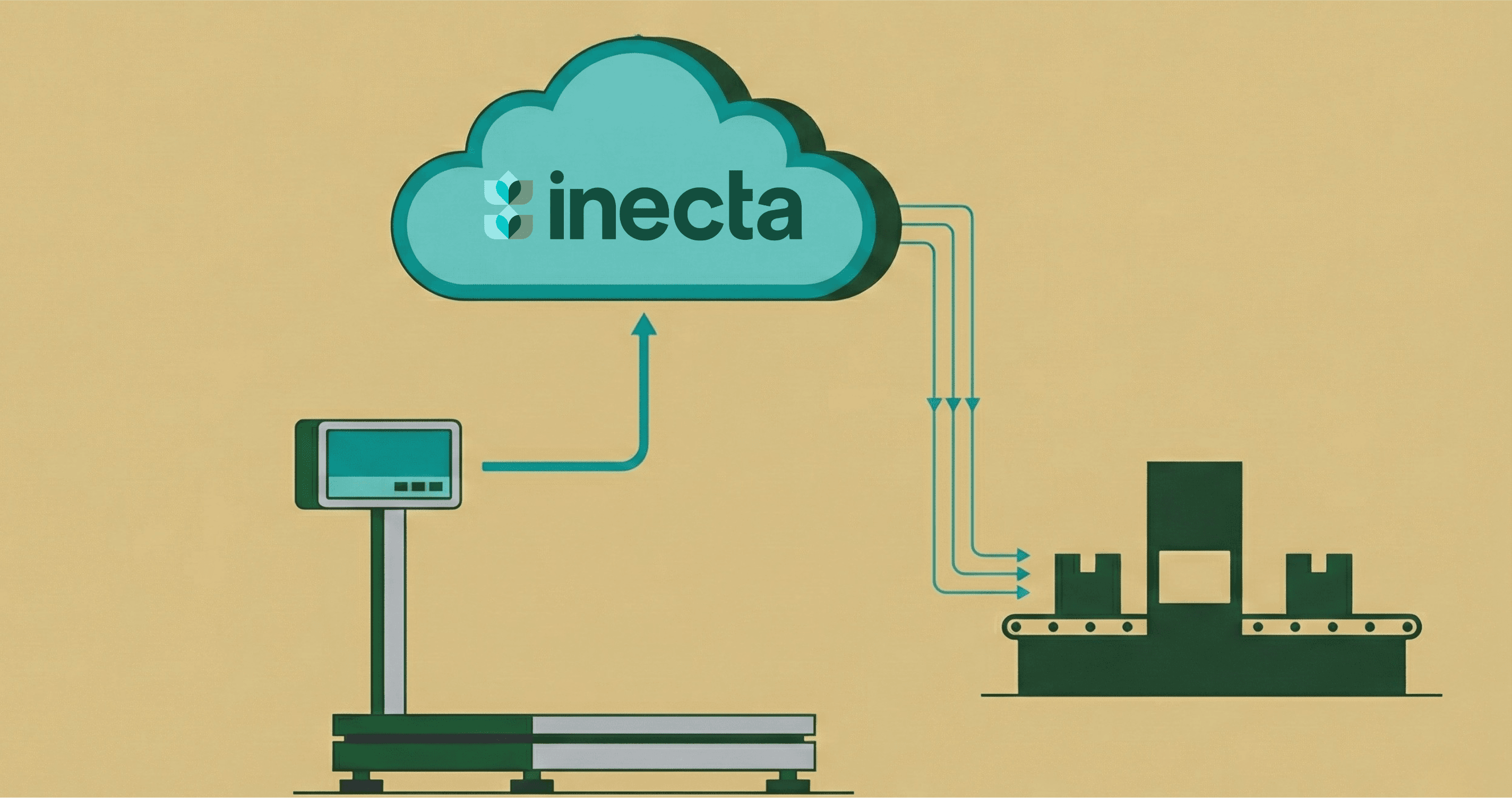
TL;DR Grading decisions made at the dock determine everything that happens next, costing, yield planning, production sequencing, product allocation, and even revenue forecasting.When offload weights and grades are captured manually, operations lose visibility. But when grading is tied directly to offload data inside inecta Food ERP, production teams get precise, real-time information that drives better decisions, higher profitability, and full traceability from vessel to finished product.
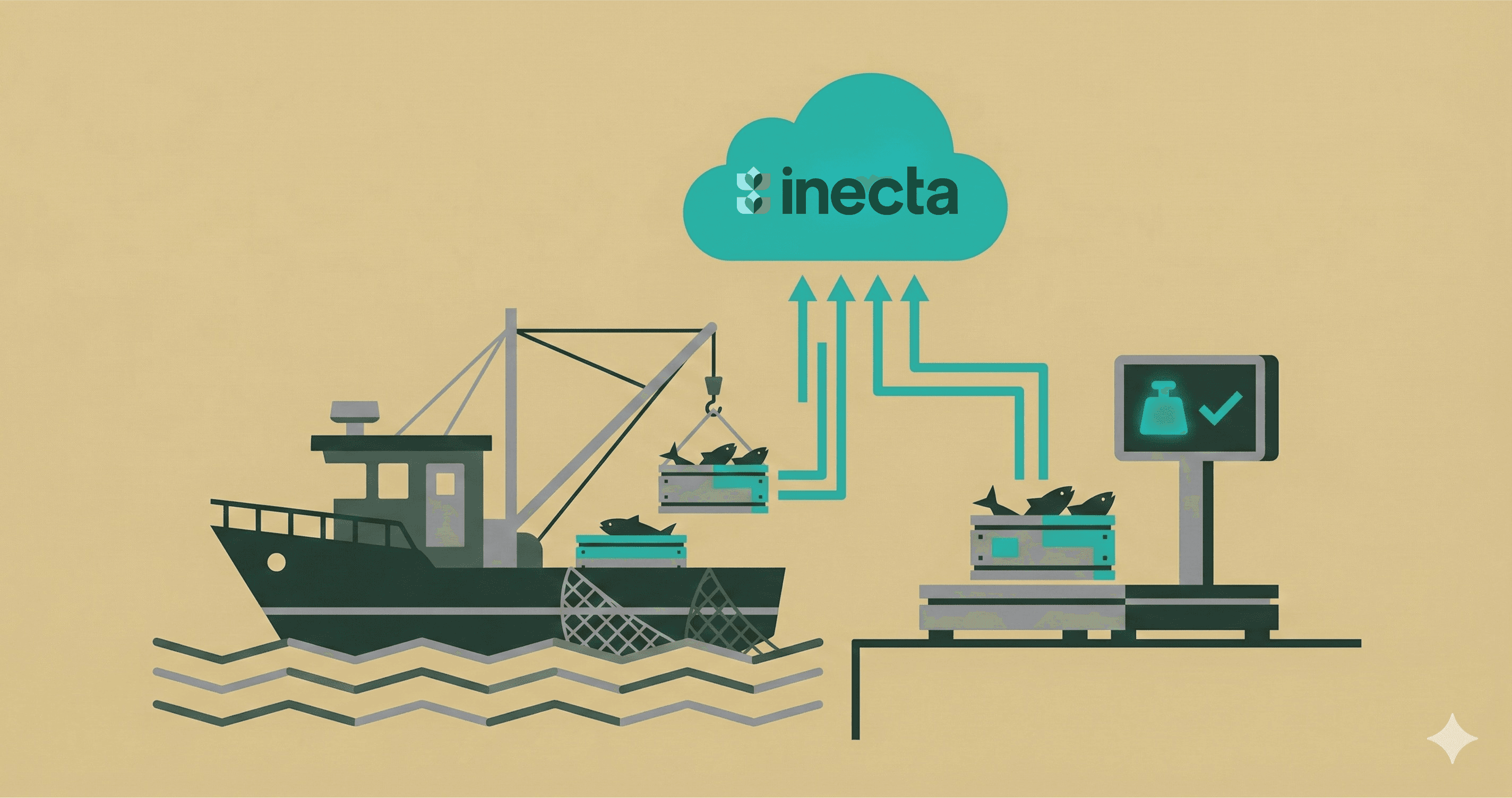
TL;DR The offload moment is the single most important data handoff in the entire fishing supply chain. Every operational insight, quota usage, settlement calculations, cost of goods, compliance reporting, and sales accuracy, depends on the precision of what happens right at the dock.When weights, species, grades, and lot assignments are captured instantly and correctly during offload, fleets gain unmatched clarity and control. When they’re recorded manually or inconsistently, everything downstream
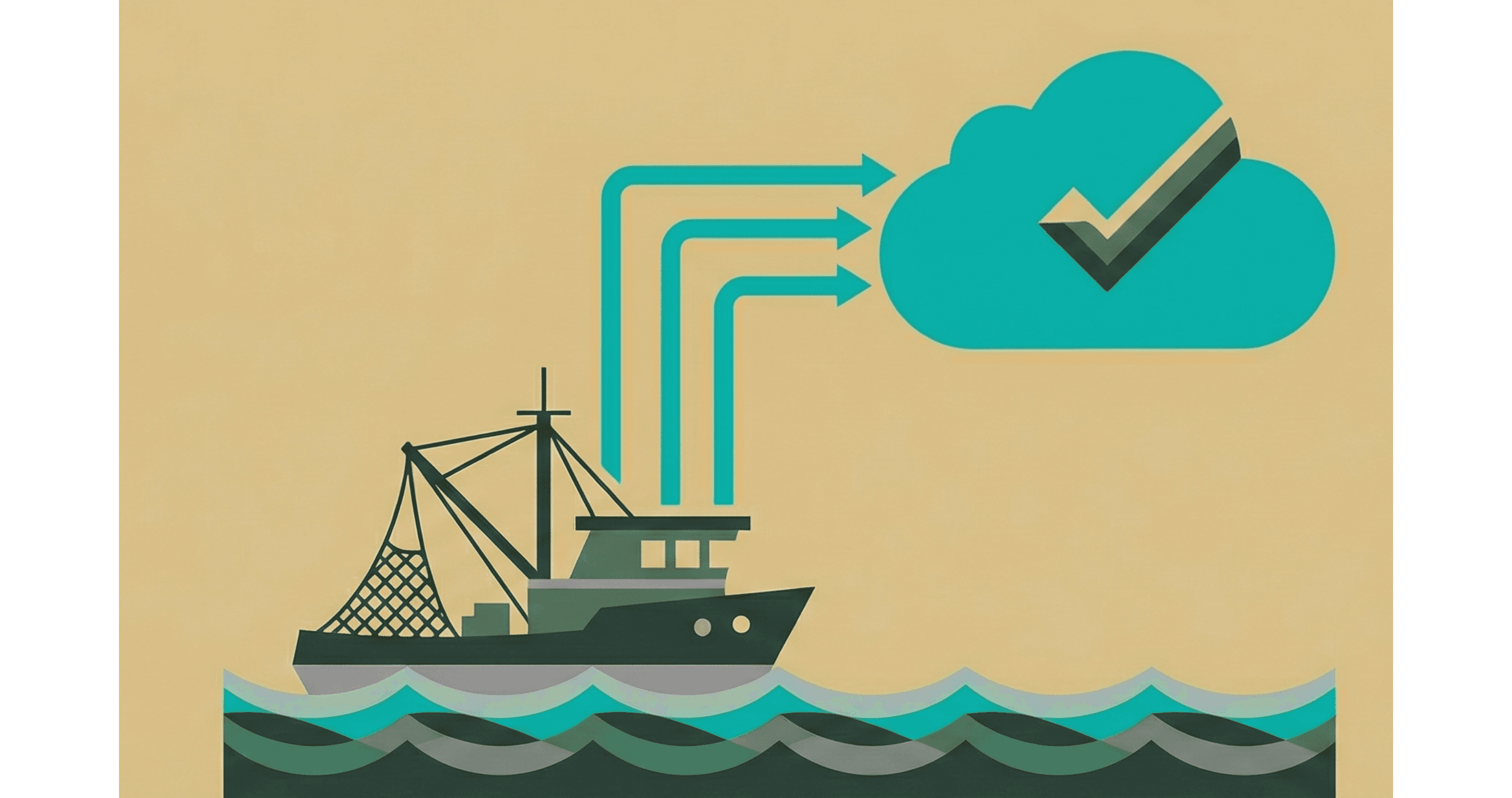
TL;DR Settlement math on fishing vessels can be complex, crew shares, expenses, bycatch penalties, quota adjustments, fuel usage, and trip costs all need precise, transparent calculation. inecta Food ERP automates every step, pulling real vessel data, validating expenses, and generating crew-ready payout summaries instantly. No more spreadsheets, no more recalculations, just accurate, defensible settlements from deck to payroll.
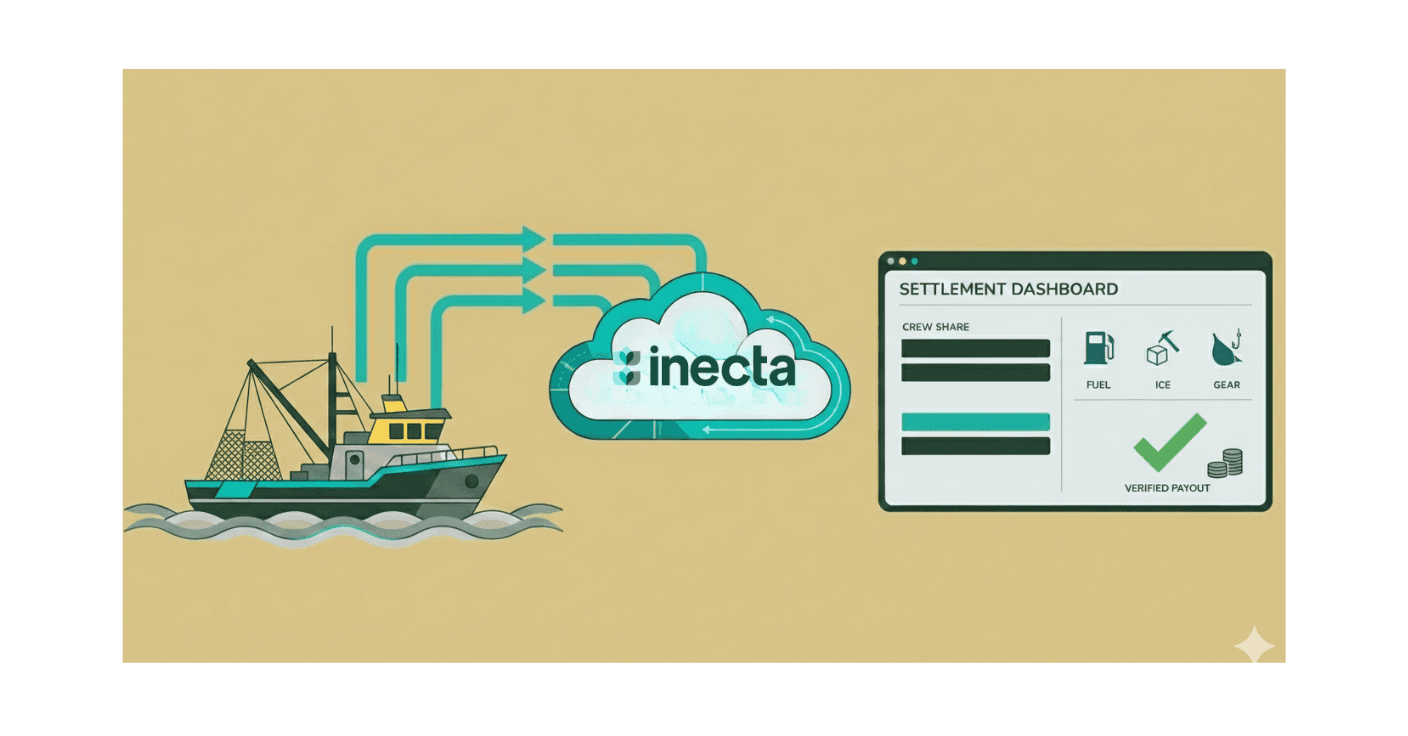
TL;DR Crew settlements are more than numbers, they are the backbone of trust on a fishing vessel. When settlements are unclear, delayed, or manually calculated, morale drops, turnover rises, and fleet stability suffers.inecta Food ERP eliminates guesswork by automating catch-share calculations, validating expenses, linking settlements to real catch data, and producing transparent payout reports for every trip. With real-time accuracy and full visibility, operators build confidence and long-term l
TL;DR: Managing fishing quotas across vessels, areas, and seasons is one of the most compliance-sensitive parts of any seafood operation. inecta Food ERP provides structured quota tracking through dedicated ledger entries, connecting catch data to trip records, lot traceability, and VTR compliance documentation, all within a single system built on Microsoft Dynamics 365 Business Central.
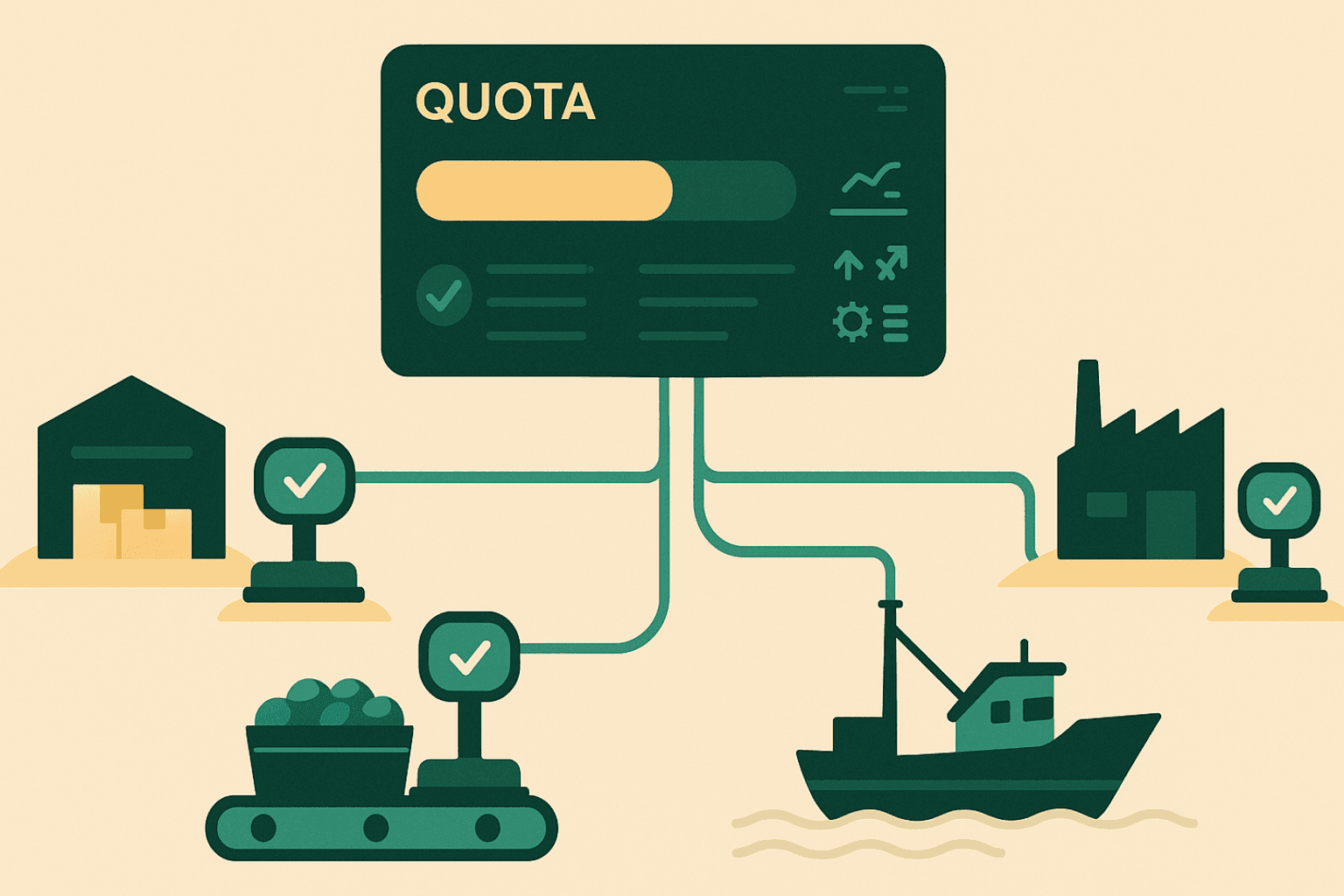
TL;DR: When quota data lives in spreadsheets or disconnected systems, every department is working from a different version of the truth. inecta Food ERP brings quota tracking into the same platform as your trip records, lot traceability, inventory, and settlement calculations, giving managers a connected view of allocations and usage without manual reconciliation.
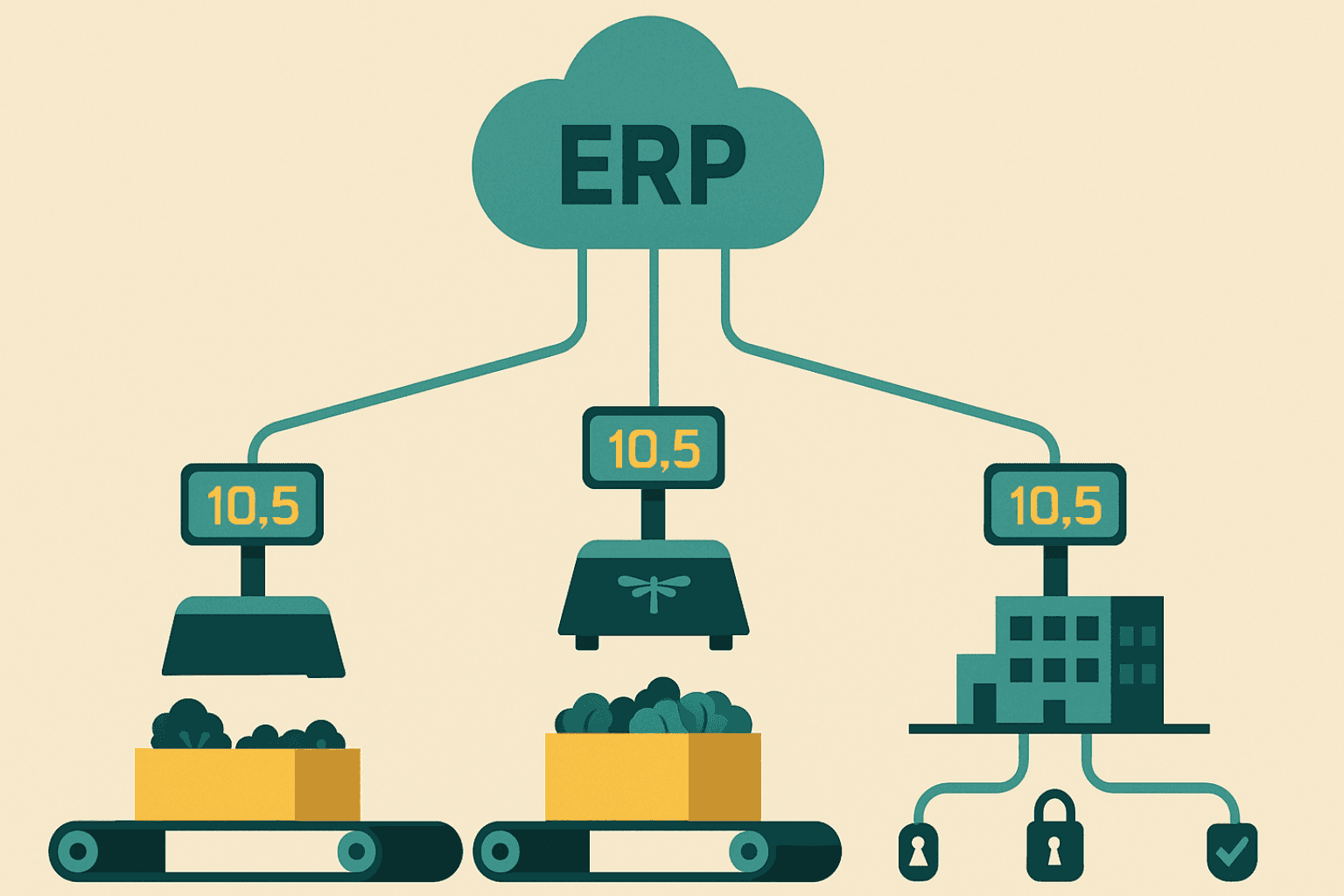
TL;DR:
TL;DR:Large food manufacturers are scaling faster than ever but traditional systems can’t keep up. inecta Food ERP, a cloud-based ERP built for the food industry, unifies data, connects sites, and enables limitless growth. With real-time visibility, built-in compliance, and enterprise-grade security, inecta gives operations leaders the confidence to scale efficiently across every facility.
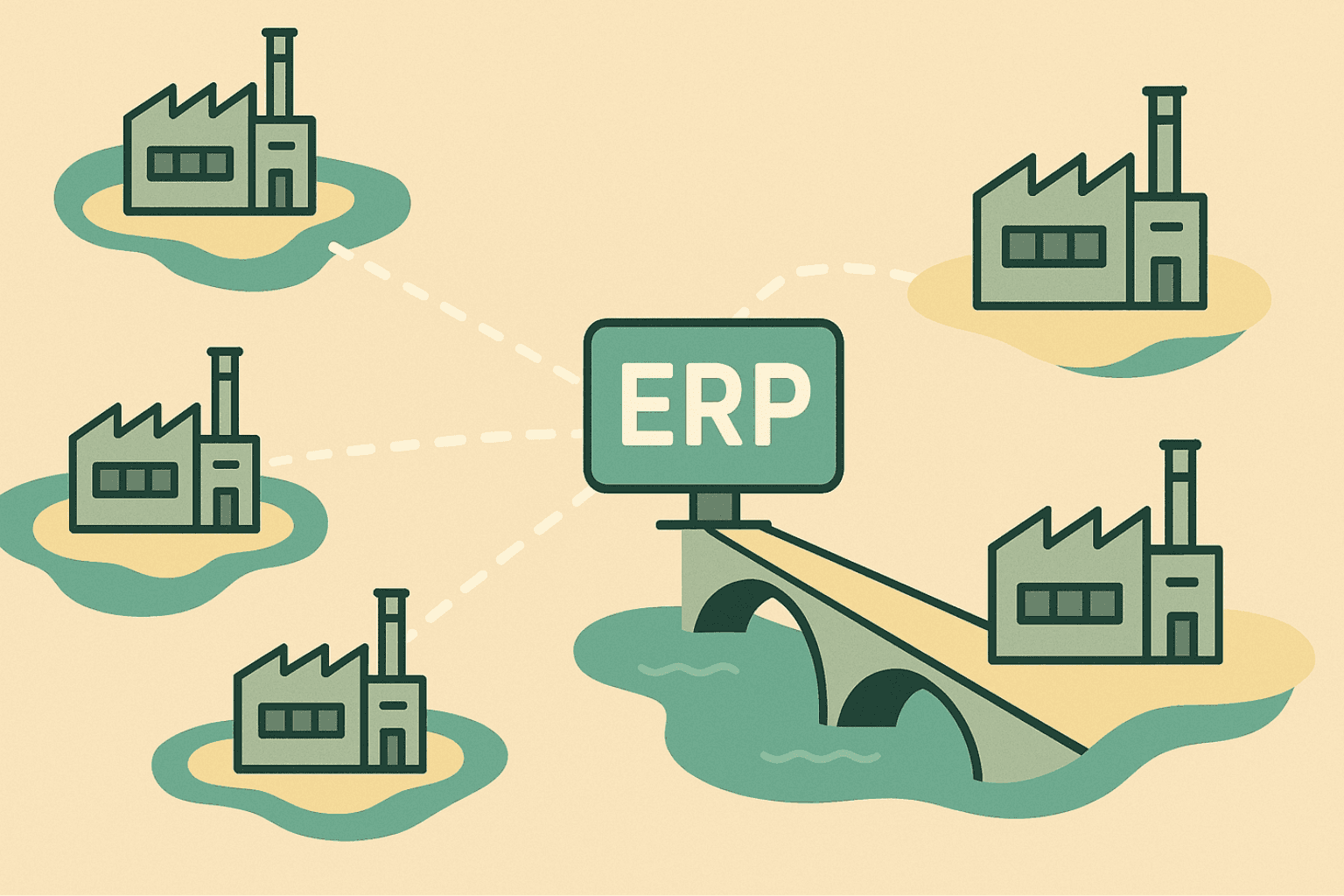
In food manufacturing, too many companies still operate like islands, each facility running on its own processes, disconnected from the rest of the organization. The result? Inefficiencies, wasted resources, and blind spots that limit growth.
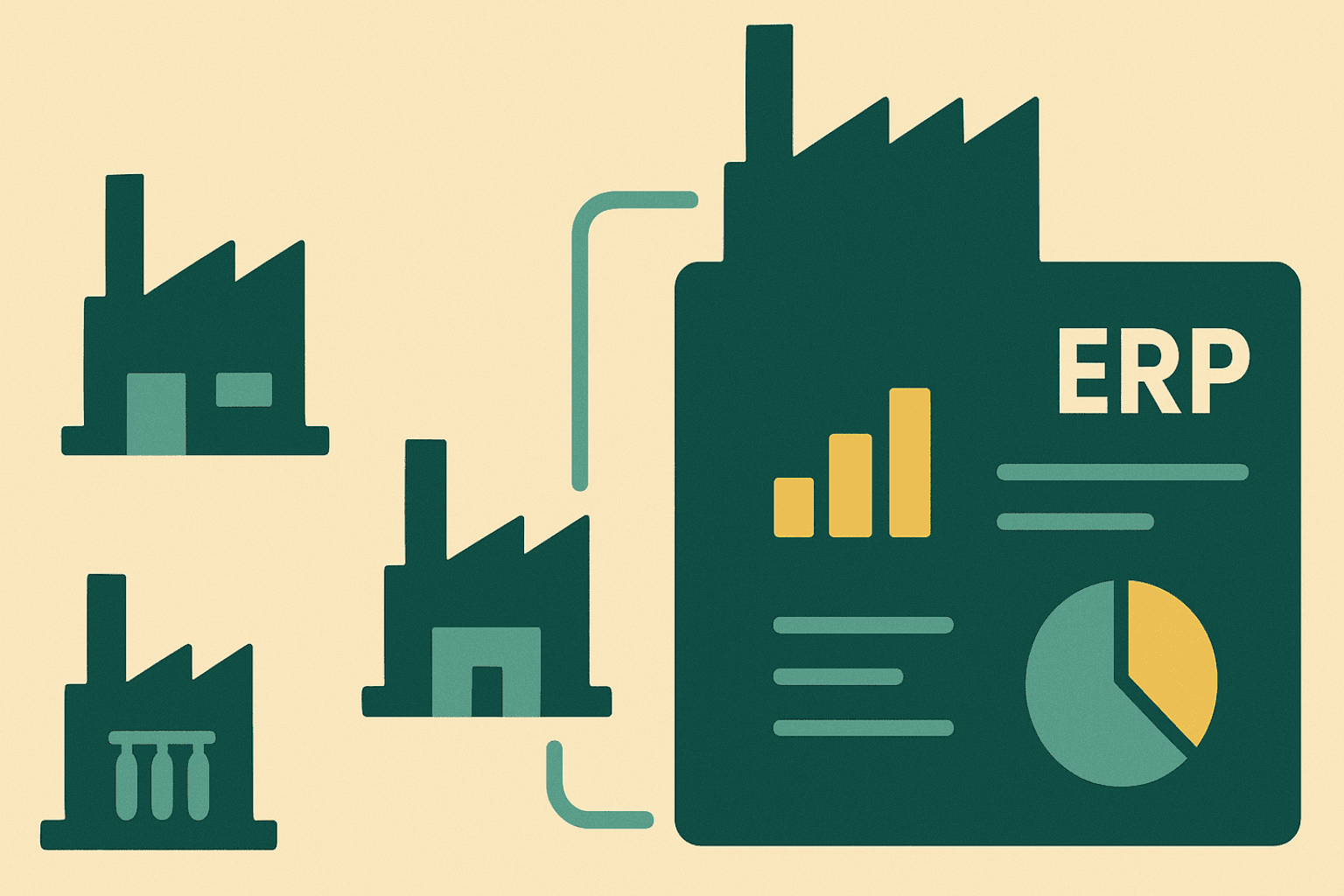
In food manufacturing, visibility isn’t just about what’s happening inside a single facility, it’s about connecting the dots across every site, plant, and warehouse in your network. When data is trapped in silos, decision-making slows, inefficiencies multiply, and opportunities slip away.