Blog Topic
17 articles
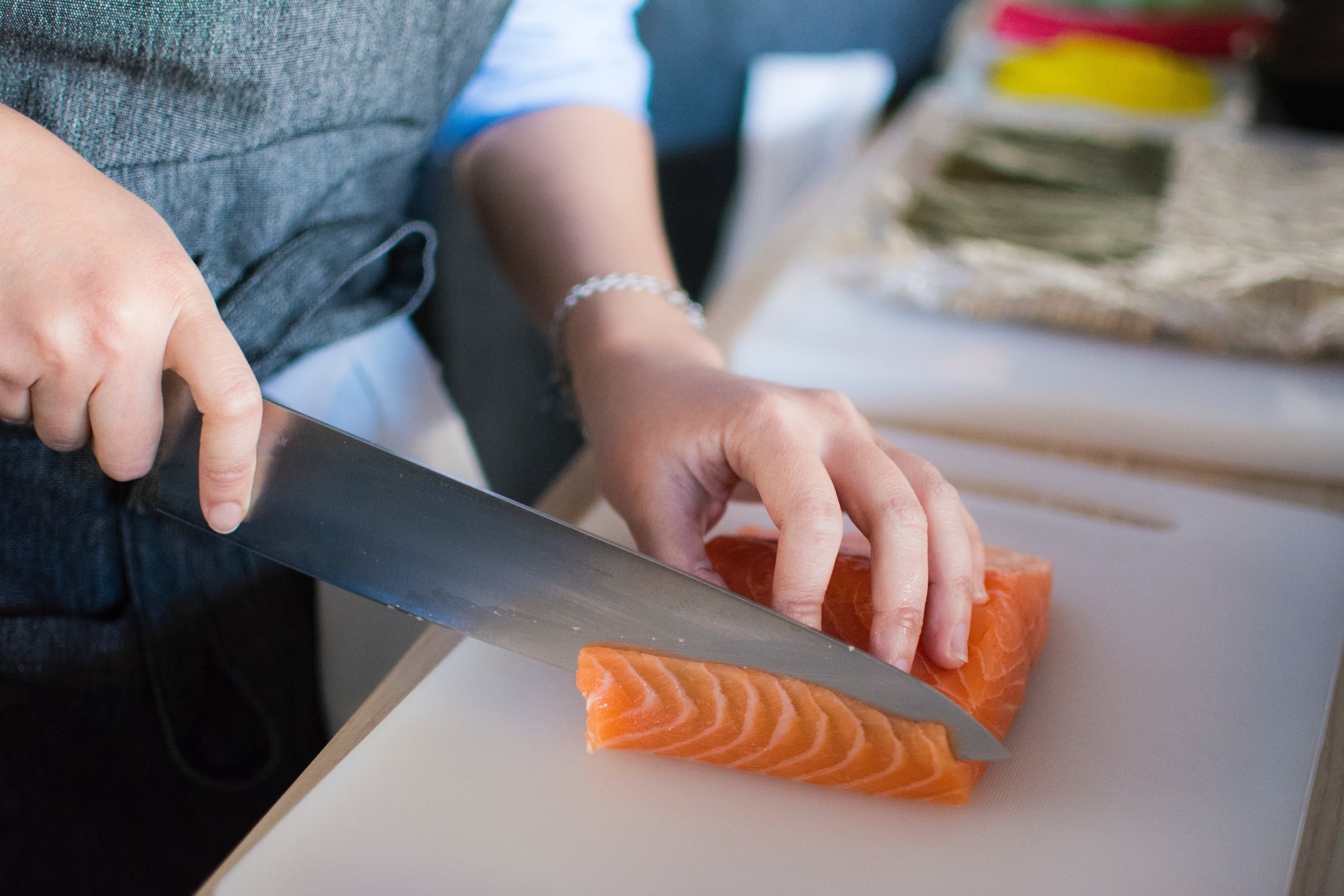
China has begun to halt shipments of salmon from Europe after it was alleged that the industry was linked to a new COVID-19 outbreak in Beijing. Shipments were immediately halted once the virus was discovered on fish chopping boards in Beijing’s Xinfadi market, which is considered the central location of newly reported COVID-19 infections.
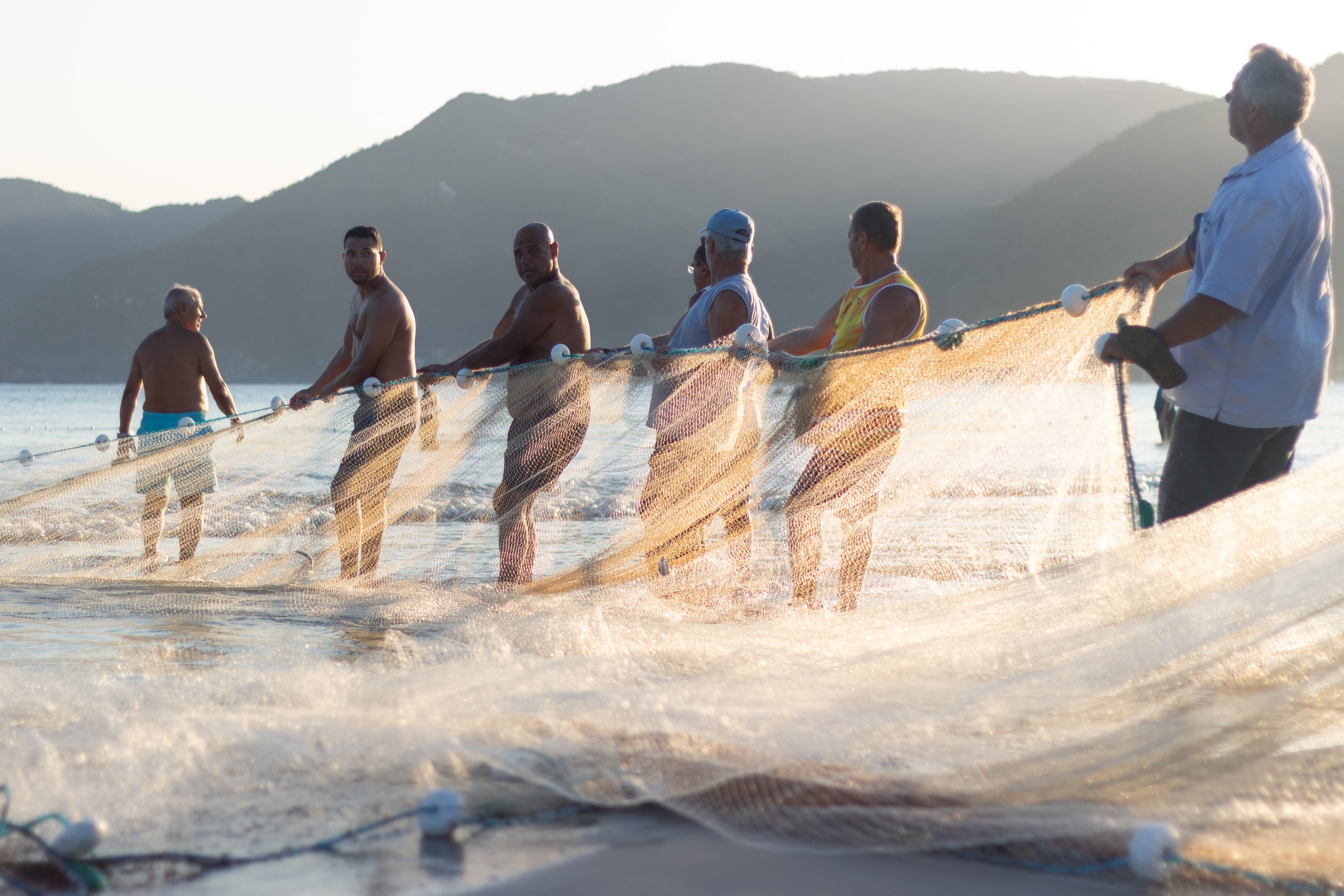
Illegal, unreported and unregulated (IUU) fishing has, along with the current pandemic, are doubling down on the hardships being faced by fishermen in this day and age. While the strict food regulations laid down in the wake of COVID-19 are certainly a point of frustration, they can be deemed necessary for the meanwhile.
As we’ve already seen in the meat industry within the United States, the seafood industry is now also wary of the possibility of a COVID-19 outbreak specifically in the Pacific Northwest region. In response, seafood traders, processors, and catchers in the Pacific Northwest have drafted rigorous plans to ward off the similar spreading of COVID-19. This task is a lot easier said than done when you consider the closeness in proximity processors work within their workstations. As the summer season
Many food industries have experienced the sting of the pandemic, with COVID-19 rendering the restaurant and hotel business unable to serve. Different types of food providers met with multiple issues and the seafood industry is no different. While having the ability to garner seafood from almost anywhere in the world has been a revelation to restaurants and food producers, the current climate has shown how important it is to have and support local seafood suppliers as well.