
119 articles
Enterprise Resource Planning (ERP) systems have become integral to modern businesses across various industries. The beverage industry has witnessed a significant transformation in recent years due to the implementation of ERP systems.

Beverage companies operate in a fast-paced and competitive industry where efficiency and effectiveness are critical to success. Despite advancements in technology and processes, several operational challenges can slow down beverage companies, affecting their productivity, profitability, and customer satisfaction. This article discusses some of the key factors that can hinder operational performance in the beverage industry.
Efficient management of operations is crucial for success in the beverage industry. An Enterprise Resource Planning (ERP) system can be a game-changer, integrating various business functions and providing real-time data for informed decision-making. However, selecting the right ERP solution for your beverage business requires careful consideration and evaluation. This guide aims to assist you in making an informed decision by outlining key factors to consider when choosing an ERP for your bevera
Food companies looking to significantly elevate their operations through targeted software often ask the question, "What is the implementation process for a food ERP system like?"

Food ERP systems can vary in terms of user-friendliness depending on the specific software and its features. However, many modern ERP systems are designed with user experience in mind, aiming to provide intuitive interfaces and simplified workflows to make them more user-friendly.

The fundamentals of Food ERP can be researched very easily through various mediums. However, particular nuances related to ERP systems for the food industry are often shrouded in mystery. For example, what key features should a food ERP system have? Enterprise resource planning (ERP) systems have become the gold standard for food and beverage companies, providing agility and actionable insights. However, not all ERP systems are created equal, and it's important to find a true food industry ERP t
As the food industry becomes increasingly complex, food manufacturers are realizing the importance of streamlining their operations and improving efficiency. One way to achieve this is through the implementation of an Enterprise Resource Planning (ERP) system specifically designed for the food industry. However, the cost of implementing such a system can vary greatly depending on various factors. In this article, we will explore the typical cost of implementing a food ERP system and provide insi
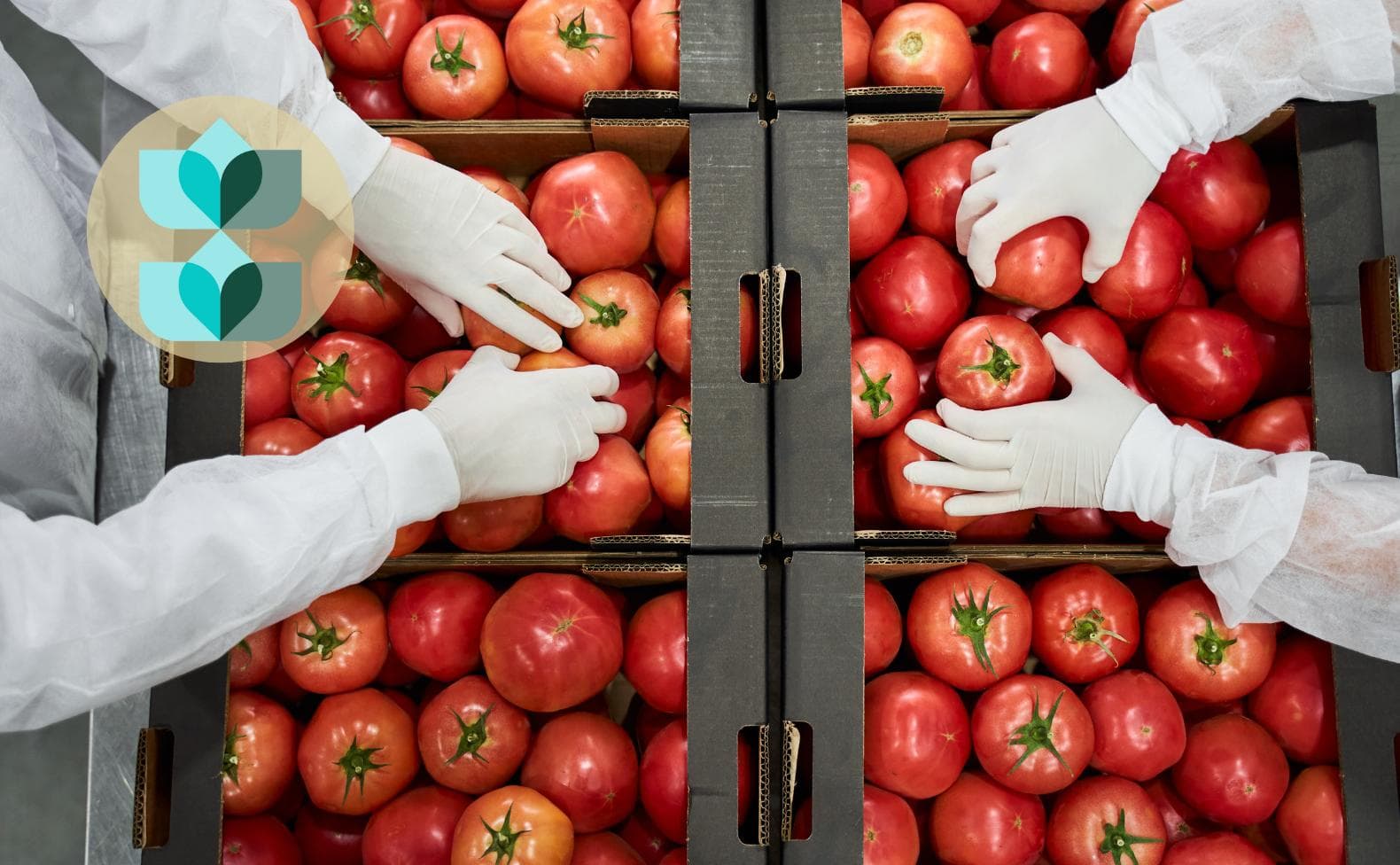
ERP stands for Enterprise Resource Planning. It is a software system that integrates various business processes and functions into a single unified platform. A food manufacturing ERP enables organizations to streamline operations, improve efficiency, and enhance decision-making by providing real-time visibility and control over their resources, such as finances, inventory, manufacturing, sales, and human resources.


Warehouse Management System (WMS) software is an essential tool for efficiently managing and controlling the operations and processes within a warehouse or distribution center.

To determine the best WMS for your business, consider factors such as your industry, warehouse size, budget, scalability, integration capabilities, and specific operational needs.
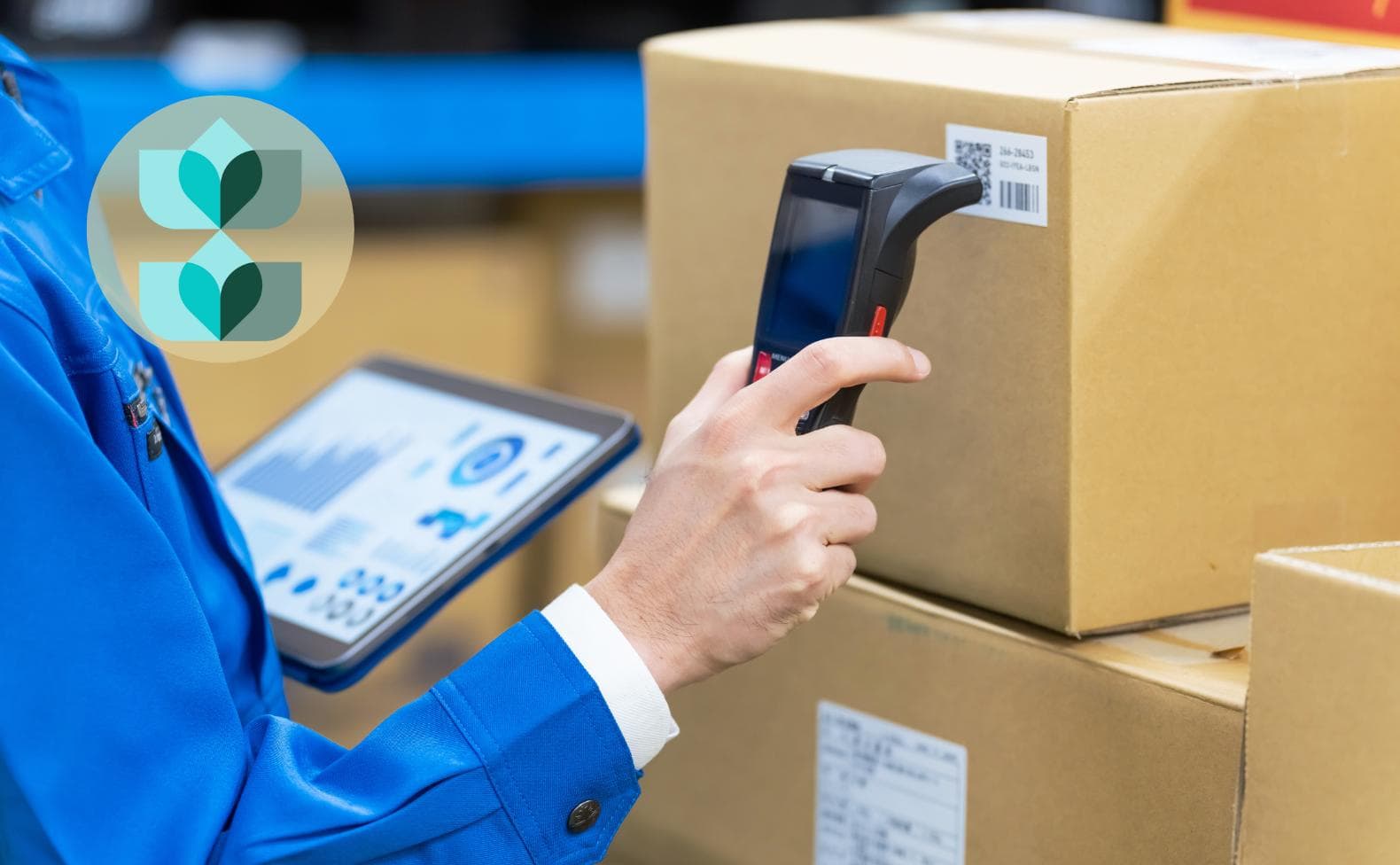
inecta's ERP specialists often field questions regarding warehouse management software cost, which led to the creation of this article in the hopes of informing our customers. Warehouse management systems (WMS) are essential tools for businesses to effectively manage inventory and streamline operations in warehouses, storage facilities, and distribution centers. However, determining the cost of implementing a WMS can be a complex task. In this comprehensive guide, we will explore the various fac