
30 articles

What is SQF? History of SQF and it's Structure SQF Certification Process Why get SQF Certified? What are the Challenges of SQF Certification? What have we learnt about SQF in this Article What is SQF Food safety is a top priority for every food industry stakeholder, from manufacturers and processors to distributors and retailers. One key tool that businesses can use to ensure food safety is the Safe Quality Food (SQF) certification program. SQF is a global food safety initiative management syste
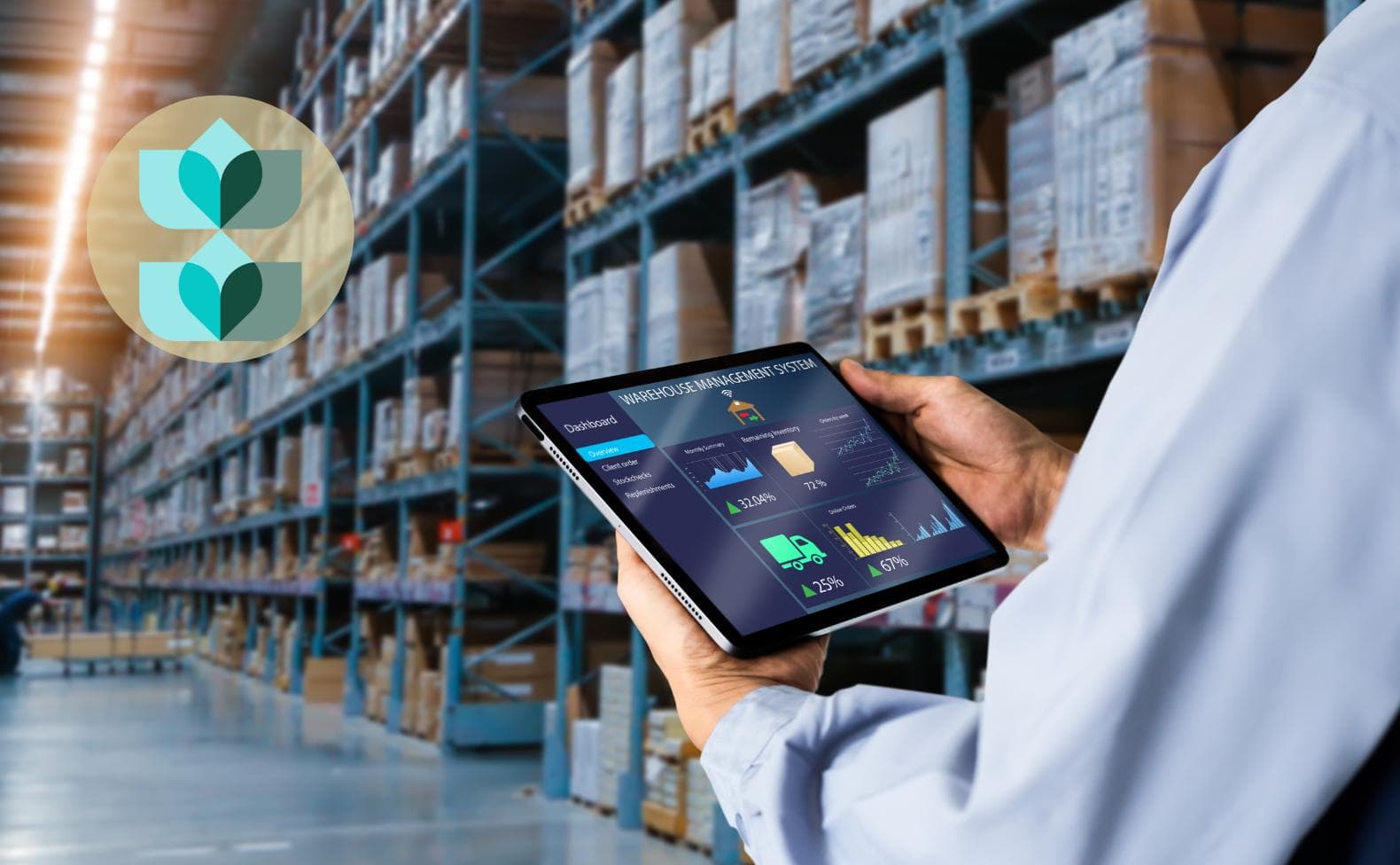
WMS Price Guide 2023: What features do you need? Warehouse operations rely heavily on warehouse management system (WMS), which are essential tools for inventory management, orders, and overall warehouse operations. However, with the multitude of features available in WMS software, it can be challenging to determine which ones are crucial for your business. To help you decide which features to prioritize in a WMS, here are some tips to consider.
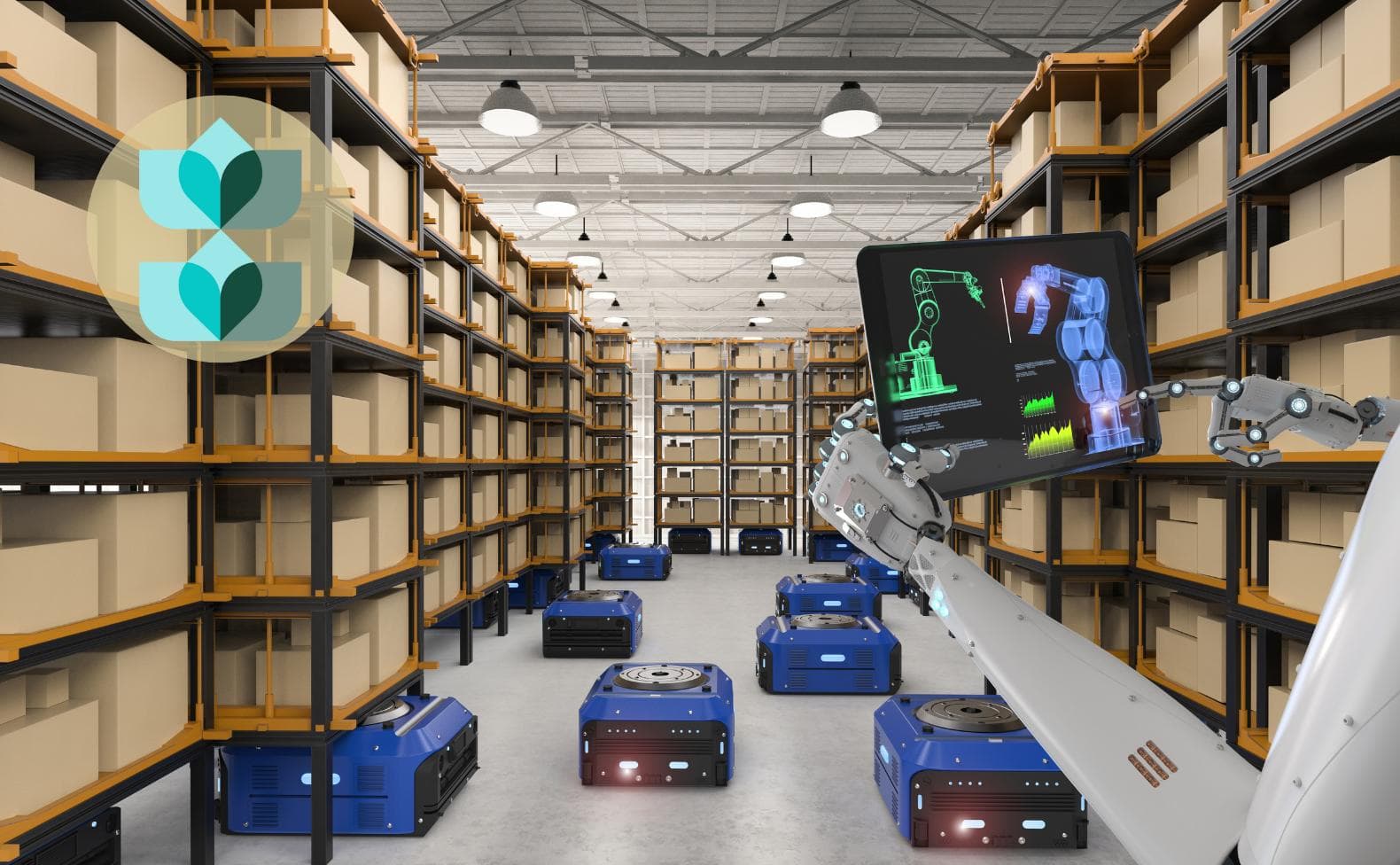
Definition of Warehouse Control System (WCS) Warehouse control systems (WCS) play a crucial role in the efficient functioning of a modern-day distribution center. The rise of e-commerce and the demand for faster and more accurate order fulfillment has made WCS a vital component of warehouse management systems (WMS). In this article, we will explore the evolution of warehouse control systems, their components, functions, benefits, implementation, and future trends.

How to Fill Out a Bill of Lading: A Comprehensive Guide A bill of lading is an important legal document used in the transportation of goods by sea, air, or land. It serves as a contract between the shipper and the carrier, outlining the terms and conditions of the shipment. The bill of lading also serves as a receipt for the goods being shipped and provides a record of the shipment's condition when it is handed over to the carrier.
Introduction Good Manufacturing Practices, or GMPs, are essential for ensuring the safety and quality of food products in the food industry. Food manufacturers rely on these practices to prevent contamination of raw materials and ensure the consistent quality of their food products. In this article, we will explore the importance of GMPs in the food industry and how they can help food manufacturers produce safe and high-quality food products for consumers. We will examine the key principles of G
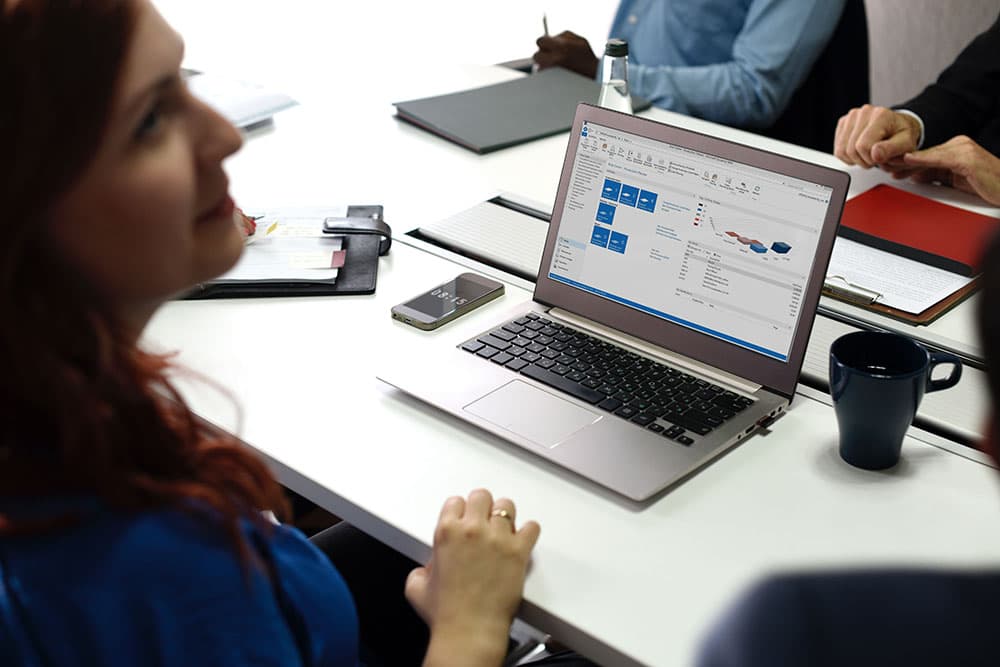
Enterprise Resource Planning (ERP) software is a powerful tool for organizations large and small, unifying business functions and departments. ERP can streamline your business processes and improve performance, speed and results.

Using ERP to Solve Your Enterprise Pain Points In this series of blog posts, we will focus on identifying the most frequent pain points enterprises face with their existing software system deployments and how an ERP solution can help alleviate them.

Data is a critical element of modern business and we generate a vast number of data points on a daily basis. Access to accurate data is essential to all departments within the business but much of this data is duplicated, often many times over. This is not only an incredible waste of time and resources, it increases the chance of errors exponentially.
Upgrading to Microsoft Dynamics 365 Business Central for Existing Microsoft Customers As often happens when software upgrades are released, there’s a bit of confusion in the market. This is particularly true when it’s something as important as your enterprise resource planning (ERP) software. Let us help you make sense of the changes and take advantage of the opportunities.
Microsoft has officially announced the launch of Dynamics 365 Microsoft Business Central, a cloud-based business management solution for NAV.

There are many questions that have to be asked when deciding on an ERP system for your company. One of the bigger ones is whether to go for an on-premise or a cloud-based solution. On-premise, as the name suggests is installed on your company servers and computers whereas a cloud-based solution is ERP or Software as a service (SaaS) that is installed and managed off-site and accessed via an internet connection.

Upgrading or taking on a new ERP system is a mammoth task. Different sides of the business might look at it from different angles. It is important to get a system that will help the company achieve their goals and objectives. It has to work for everybody but most importantly, it has to work for the company.