
Insights and guides for food industry professionals, from ERP implementation to supply chain optimization.
![Supply Chain Optimization: A Complete Guide for Food Manufacturers [2026]](/_next/image?url=https%3A%2F%2Fzqvyaxexfbgyvebfnudz.supabase.co%2Fstorage%2Fv1%2Fobject%2Fpublic%2Fblog-images%2F54cb6adf-pexels-elevate-1267338.jpg&w=3840&q=75)
Supply chain optimization helps food manufacturers reduce costs, prevent stockouts, and build resilience across procurement, production, and distribution. This guide covers the key pillars, metrics, and technology that make it work.
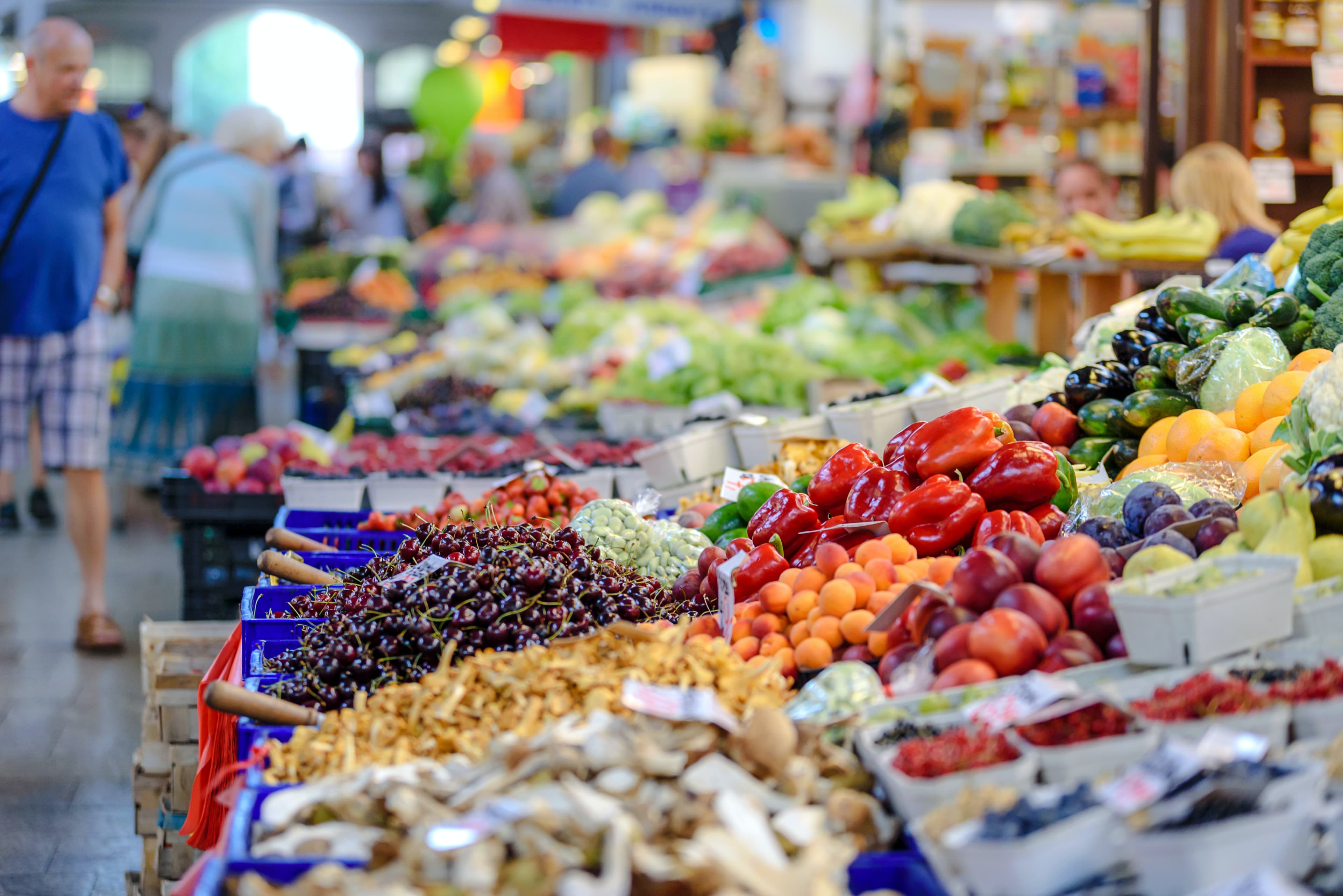
Produce software companies offer you near-endless options for managing your produce manufacturing business. However, not every solution is created equal. Your produce software business benefits most from a centralized, strategically crafted solution that is designed to meet the needs of both the producer and consumer, giving you a seamless experience for strategic management and growth.

In today’s consumer-driven environment, businesses are sparing no expense to protect their brand’s identity, experience, and perception. However, good-natured missteps and inaccuracies could be undermining the very foundation of these efforts – the most recent common example of this being food fraud.

Are you considering a technical upgrade for your food and beverage business in 2023? Having the most comprehensive and competitive solution available is a fantastic way to boost your revenue potential and brand authority – giving your customers and team members a seamless experience with every interaction. The question is: What should a food manufacturing system in 2023 include?
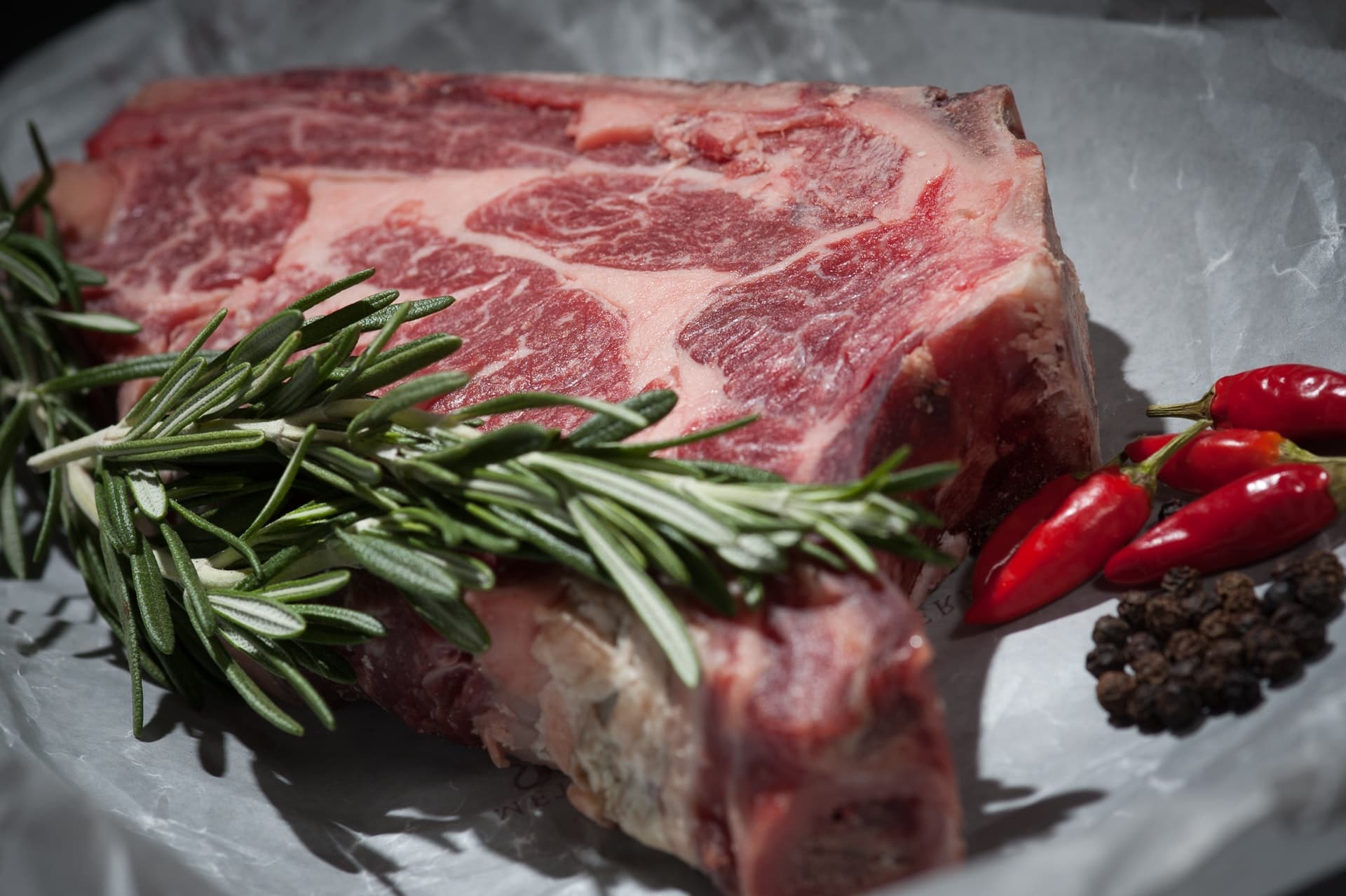
Outbreaks and illnesses tied to some of our most mass-produced food have become commonplace in 2022, putting consumers on high alert regarding their food’s quality and origins. Business owners in the food industry can use this as an opportunity to build brand awareness and loyalty by implementing a high-quality food manufacturing software option at every point in their business.

Businesses at every level of the seafood industry offer unique challenges in management, further highlighting the need for a robust ERP system. To manage incoming needs and consumer risk, food manufacturers in the seafood space often look to enterprise resource planning systems to help manage day-to-day operations and ensure that quality is never sacrificed at any point in the production and distribution process.
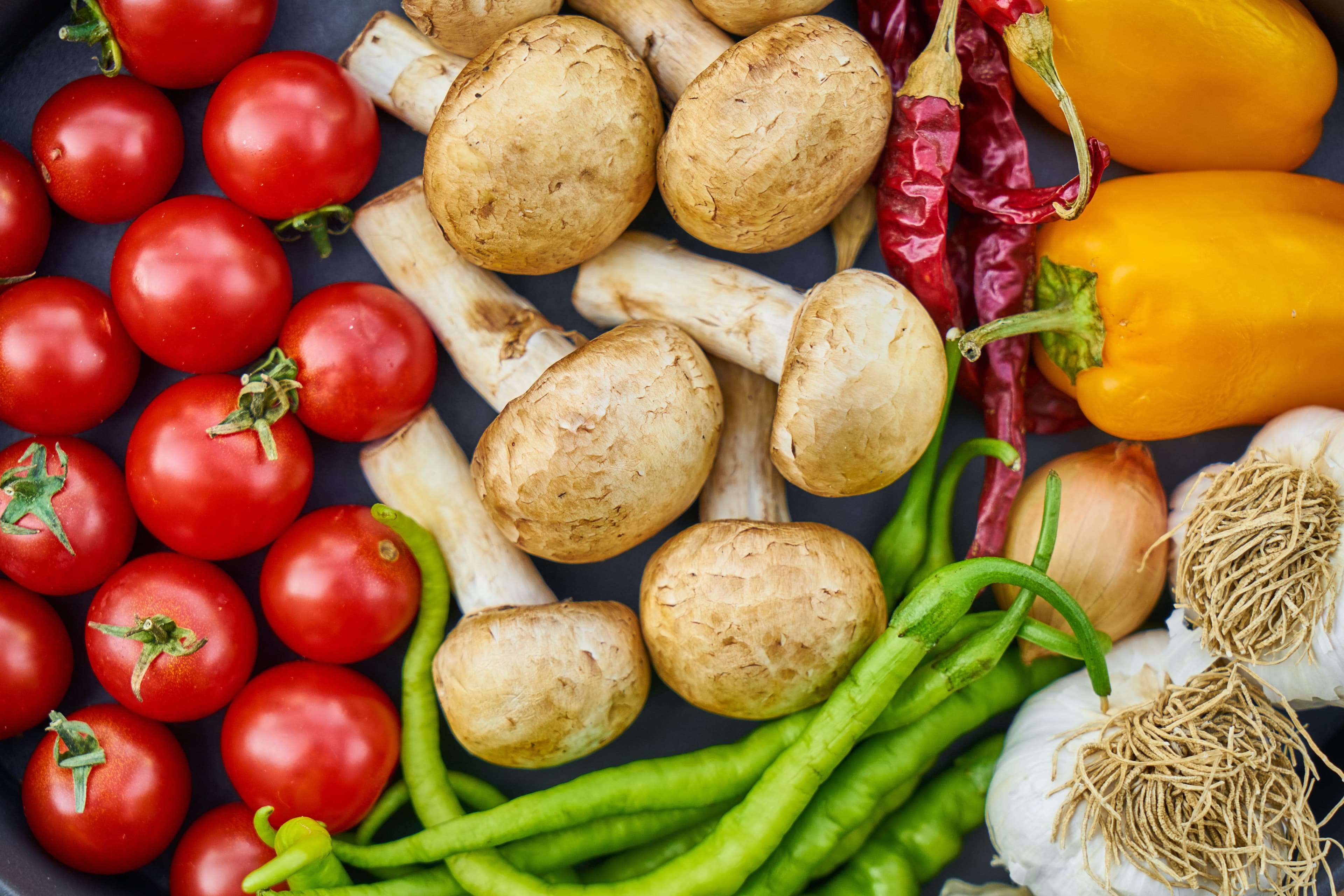
Vertical farming is becoming more popular, as it offers a more sustainable method of food production in environments that aren’t ideal for growing plants. Vertical farming helps to produce different plants using hydroponics and special soil in "grow rooms" where they are vertically stacked and can grow in controlled conditions indoors.

If you’re looking for new opportunities to build revenue and refine your processes, AI and software are a strategic way to do it. The future and potential for growth with the help of food ERPs and related AI-based platforms is exponential – and will be the factor that can drive your business to be an industry leader over the next several years.
Have you ever wished for a roadmap to success? It may be as simple as getting strategic with your future plans. We’re watching business trends play out before us as the global food economy adjusts to inflation, shortages, and new levels of distribution difficulty due to unprecedented supply chain disruption. While businesses prepare to wrap Q3 of 2022; we’re looking to the future and getting strategic about industry leadership in 2023.

The Food and Agriculture Organization’s (FAO) Food Price Index experienced a significant drop in July 2022, and we’re seeing prices for cereal and oil products decline as we speak. Here's what this means for food and beverage manufacturers and distributors:

Produce is a large part of the food production industry, valued at over $60 billion in 2021 and expected to grow at a rate of 5 percent in the next eight years. Consumers continue to look for healthier options and are willing to pay more for them at the grocery store and farmer’s market. However, the effects of climate change are rampant across the industry – leaving many wondering growers wondering what their next right step truly looks like.
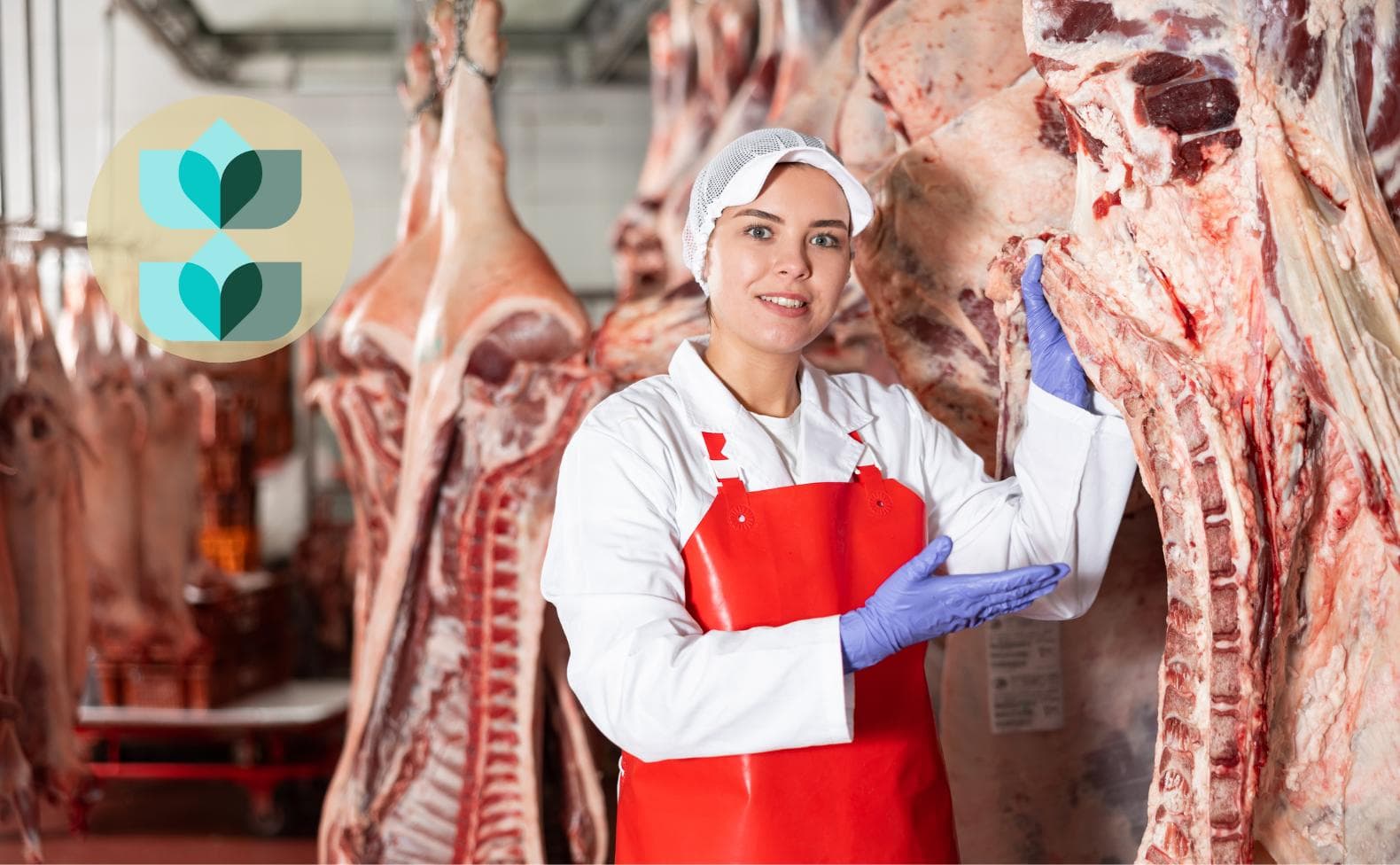
Catch weight is the actual weight of an individual unit of product, recorded at the point of sale or shipment. Food businesses use it for items that are stocked in standard units, such as cases, but priced by weight, because the true weight of each unit varies. The industry also calls it variable weight. This guide explains what catch weight means, how to calculate it, and how food companies manage it in an ERP.